
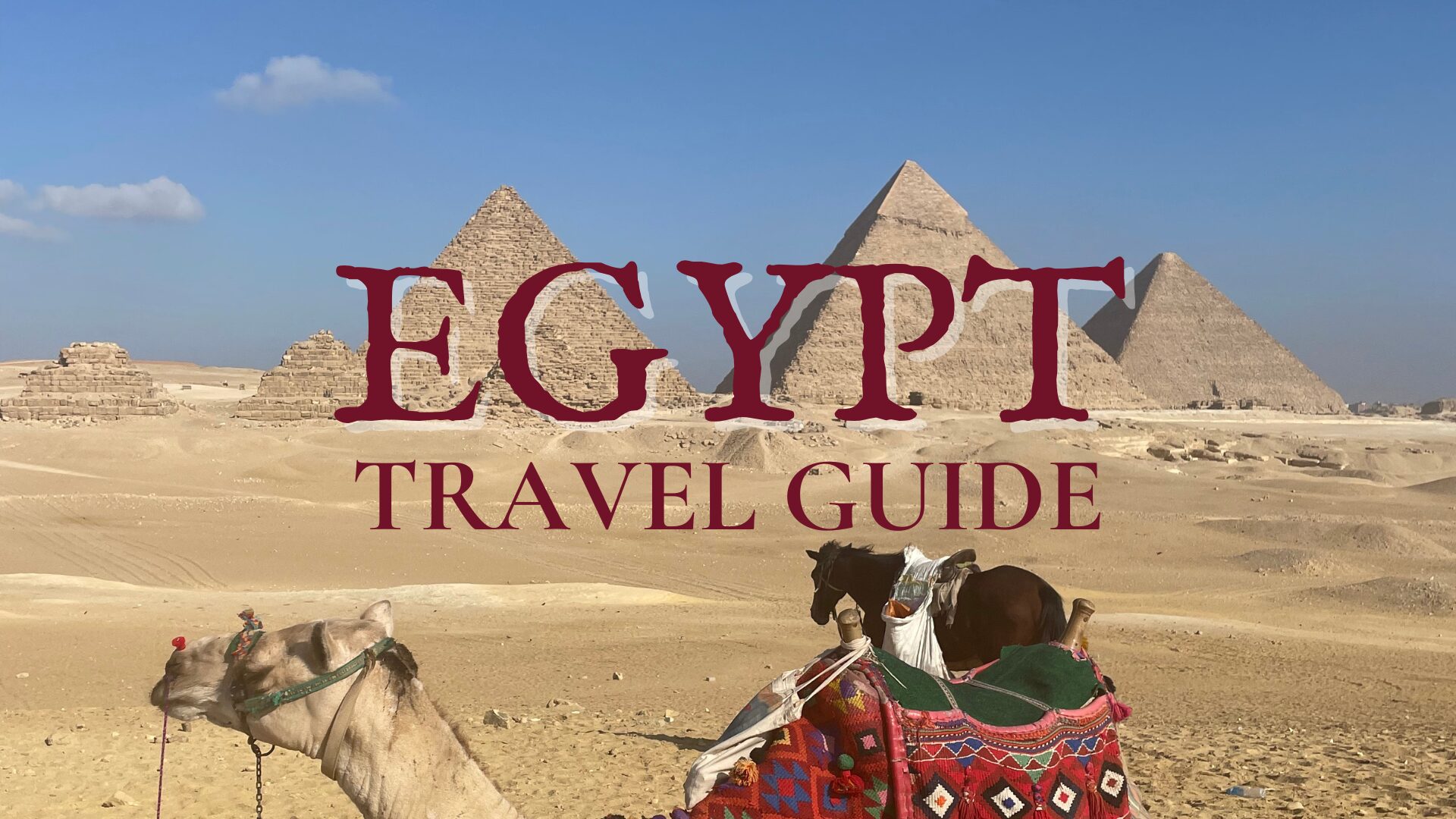
Traveling to Egypt is on many people’s bucket lists—and for good reason. The pyramids, the Nile, the temples of Luxor, and the markets of Cairo all carry a certain magic. But traveling in Egypt also comes with challenges that travelers should be aware of. Safety, cultural differences, scams, and street harassment are all things you’ll likely encounter, especially if you’re exploring on your own or as a woman.
This guide covers everything you need to know to travel safely in Egypt, from navigating transportation and avoiding scams to what to wear, where to stay, and how to handle unwanted attention.
Is Egypt Safe in 2025?
In general, yes, Egypt is safe to visit—millions of tourists go each year without any major issues. But it’s also a place where you should stay aware and take a few extra precautions, especially outside tourist hotspots.
The Egyptian government places a high priority on protecting tourists, especially at major historical sites. You’ll often see police at pyramids, temples, and popular hotels. Most issues travelers face are petty in nature like overcharging, scams, or harassment, not violent crime.
Areas to avoid:
-
The North Sinai region (not the Red Sea resorts like Sharm el-Sheikh)
-
Borders with Libya and Sudan
-
Any isolated desert areas without a guide
Stick to well-traveled routes and cities like Cairo, Alexandria, Luxor, Aswan, and the Red Sea coast for a safer experience.
General Tips for Traveling Safely in Egypt
Whether you’re traveling solo or with others, these tips apply to just about everyone.
1. Buy Travel Insurance
Make sure it includes:
-
Medical care
-
Theft/loss coverage
-
Trip cancellations or political unrest
2. Carry Copies of Important Documents
Keep both digital and physical copies of your:
-
Passport
-
Visa
-
Travel insurance
-
Itinerary
3. Avoid Walking Alone Late at Night
Especially in areas you’re unfamiliar with. Cairo is lively at night, but quieter towns like Aswan and Luxor shut down early.
4. Keep Your Belongings Close
Use a cross-body bag with a zipper and never leave your phone or valuables on a café table. Pickpocketing isn’t widespread but can happen in crowded places.
5. Stay Hydrated and Watch for Heat
The Egyptian sun can be brutal, even in winter. Always carry water, wear sunscreen, and take breaks in the shade.
Avoiding Common Scams
Here are some of the most frequent scams in Egypt and how to avoid them:
- Fake Ticket: Someone at a site may tell you your ticket is invalid or expired, or try to sell you a “better” ticket. Only buy from the official ticket booth.
- Camel Ride: You’re offered a free ride and then asked for a big tip to get off the camel. Always agree on a price before climbing on.
- Perfume Shop: Friendly locals may invite you for tea or to show you “real Egyptian perfume,” then pressure you to buy overpriced products.
- Shoe Cleaning: A man offers to clean your shoes and then demands an absurd fee. Just politely say no and keep walking.
- Too Much Change: Vendors might give incorrect change or pretend not to have small bills. Count your change and keep small denominations on hand. This happening to me in Turkey, haha.
Tip: Saying “La shukran” (Arabic for “no thank you”) firmly and confidently works well in most situations.
Getting Around Egypt Safely
Taxis vs. Uber
Uber is available in Cairo and Alexandria and is usually cheaper and more reliable than taxis. Taxi drivers often don’t use meters and will try to overcharge tourists.
Outside major cities, use hotel-arranged cars or known drivers whenever possible.
Trains
Egypt’s train system is decent for longer trips like Cairo to Luxor or Aswan. Book first class tickets and try to travel during the day.
For women: The train has female-only carriages—feel free to use them.
Buses
Companies like Go Bus and Blue Bus offer decent intercity transport. Avoid local minibuses—they’re crowded and often confusing for tourists.
Domestic Flights
If you’re short on time, EgyptAir and Nile Air offer cheap internal flights between Cairo, Luxor, Aswan, and Hurghada.
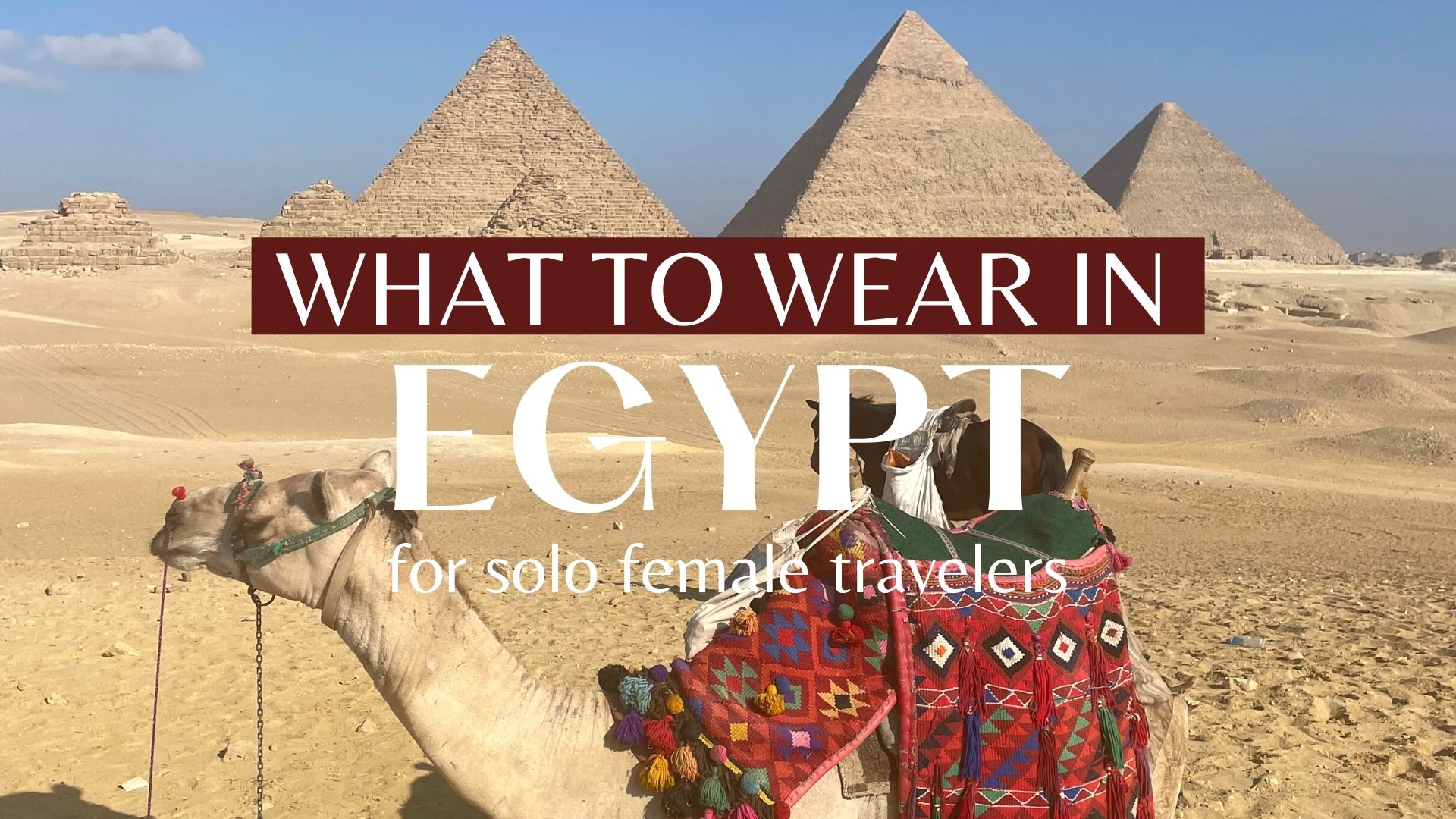
What to Wear in Egypt
Egypt is hot, but it’s also a conservative country, especially outside major tourist areas.
For Women:
-
Loose-fitting clothes that cover the shoulders and knees
-
Long skirts, linen pants, maxi dresses
-
Lightweight long-sleeve tops
-
Scarf for entering mosques (you don’t need to wear one all the time)
For Men:
-
T-shirts or polo shirts
-
Pants or long shorts
-
Avoid tank tops in non-tourist areas
Tourist resorts on the Red Sea (like Hurghada and Sharm el-Sheikh) are more relaxed with dress codes, especially at beaches and pools.
Traveling in Egypt as a Woman
If you’re a woman, especially traveling solo, you’ll likely receive more attention than you’re used to. Some of it is just curiosity, but harassment is unfortunately common.
Tips for a smoother experience:
-
Walk confidently and with purpose
-
Wear sunglasses to reduce eye contact
-
Avoid walking alone at night
-
Sit near other women on public transport
-
Stay in guesthouses or hotels with good reviews from female travelers
-
Trust your gut—if something feels off, walk away
Egyptian women often travel with a shawl or scarf—bring one. It’s useful for entering religious sites and also helps deflect attention when needed.
Best Areas to Stay In
Here are safe, traveler-friendly areas in Egypt’s main destinations:
1. Cairo
-
Zamalek: Upscale, leafy, full of embassies and cafes
-
Downtown: Busier and noisier, but central to many attractions
-
Maadi: Quieter suburb, good for longer stays
2.Luxor
-
East Bank: More hotels and restaurants, close to Karnak Temple
-
West Bank: Quieter, more local, closer to Valley of the Kings
3. Aswan
-
Corniche Area: Walkable and scenic
-
Elephantine Island: Peaceful, with Nubian guesthouses
4. Red Sea Resorts
-
Hurghada: Popular, affordable, more local flavor
-
El Gouna: Gated, modern, great for families or solo travelers
-
Sharm el-Sheikh: Best for snorkeling and beach vacations
Respecting Local Culture and Etiquette
Egyptians are generally friendly and welcoming, but it’s important to respect their customs.
Do:
-
Greet people with “salaam alaikum” (peace be upon you)
-
Ask before taking photos of people
-
Take off your shoes when entering a home or mosque
Don’t:
-
Show public displays of affection
-
Raise your voice or argue in public
-
Point your feet at people or sacred places
You’re not expected to be perfect, but making an effort goes a long way.
Dealing with Harassment
Let’s be honest: harassment is one of the biggest issues female travelers report in Egypt. It can range from annoying stares to catcalling or following.
How to handle it:
-
Ignore: Most of the time, not engaging is best.
-
Be assertive: A firm “la!” (no) or “halas!” (enough) can stop things quickly.
-
Get help: Go to the nearest shop, restaurant, or group if you feel uncomfortable.
-
Tourist police: Available at major sites and hotels. Don’t hesitate to approach them.
Most Egyptian men are respectful, but it only takes a few to make you uncomfortable. Don’t let it ruin your trip, but don’t brush it off either. Set clear boundaries.
Health, Food, and Hygiene Tips
You don’t want to spend your Egypt trip sick in bed, so take a few precautions:
Water:
-
Drink bottled or filtered water
-
Don’t brush your teeth with tap water if you have a sensitive stomach
Food:
-
Eat where locals eat—high turnover usually means freshness
-
Be careful with raw salads or unpeeled fruits
-
Bring Imodium and rehydration salts just in case
Toilets:
-
Most public restrooms don’t have toilet paper—carry your own
-
Hand sanitizer and wipes are also helpful
LGBTQ+ Travel in Egypt
Egypt is not LGBTQ+ friendly in terms of legal or social acceptance. While same-sex relationships aren’t technically illegal, people have been arrested under vague laws like “public morality.”
Recommendations:
-
Don’t display affection in public
-
Avoid dating apps—they’ve been used by police in sting operations
-
Book hotels that are known to be inclusive (but discreet)
It’s unfortunate, but until laws and attitudes change, caution is important.
Emergency Numbers and What to Do
-
Tourist Police: 126 (They’re your best bet in a pinch)
-
Police: 122
-
Ambulance: 123
-
Fire: 180
Save your embassy’s number in your phone and register your trip online if your government offers that service.
Each Egyptian city offers a different vibe. Understanding what to expect can help you avoid discomfort and confusion, especially when moving between urban and rural areas.
Cairo
Cairo is fast-paced, noisy, and overwhelming at times—but also full of life and culture. Traffic is chaotic, so cross streets with locals when possible. Sidewalks are uneven or non-existent, so wear practical shoes.
Be mindful in the metro: it’s the most efficient way to get around the city, and there are women-only cars in the front. Use them during rush hour.
Luxor
Luxor is slower and more laid-back. People will try harder to sell you things here, particularly horse-drawn carriage rides or boat tours. Be polite but firm if you’re not interested.
West Bank Luxor is more rural and quiet; staying here offers a different pace but may require more planning for transportation.
Aswan
Aswan is calm and warm (both in weather and hospitality). It’s one of the friendliest cities in Egypt, and Nubian culture here is distinct and vibrant. Still, expect to haggle for most things.
How to Handle Money Safely in Egypt
Egypt is a mostly cash-based society, so you’ll need to carry Egyptian pounds (EGP) with you. ATMs are widely available in cities but not always in smaller towns.
Tips:
- Don’t carry large sums of money at once.
- Hide backup cash in different places (inside your bag, in a money belt, etc).
- Most vendors will not have change for large bills, so keep small bills (10s, 20s, 50s) on you.
- Bargaining is expected in markets and souks—start at half the asking price and work from there.
Credit cards are accepted in hotels, upscale restaurants, and some shops. Always ask first.
Language Essentials for Staying Safe
Learning a few Arabic words goes a long way in gaining respect and avoiding misunderstandings.
Basic Phrases:
- La’ shukran – No thank you
- Kam el thaman? – How much is it?
- Ana mish ayza – I don’t want (for women)
- Fein el hammam? – Where is the bathroom?
- Mafeesh – There isn’t/doesn’t exist
Even a basic “salaam alaikum” greeting often earns you a smile and better treatment.
Food Safety and Dietary Tips
Egyptian food is delicious and diverse, but food poisoning is one of the most common issues travelers face.
Tips to Stay Healthy:
- Avoid raw vegetables and salads unless you’re sure they’ve been washed with clean water.
- Stick to hot, freshly cooked meals.
- Peel fruits yourself.
- Yogurt and hibiscus tea can help with digestion.
Popular Egyptian dishes to try:
- Koshari: a carb-heavy comfort food made of rice, lentils, pasta, tomato sauce, and fried onions
- Ful: mashed fava beans, typically eaten for breakfast
- Ta’ameya: Egyptian falafel made with fava beans instead of chickpeas
What to Pack for a Safe and Comfortable Trip
Egypt requires a bit of thoughtful packing, especially if you’re visiting multiple regions or traveling long distances.
Essentials:
- Lightweight, breathable clothes that cover you
- A scarf or shawl
- Sunscreen, sunglasses, and a hat
- Reusable water bottle with filter (like LifeStraw)
- First aid kit with Imodium, painkillers, band-aids
- Hand sanitizer and toilet paper
- Power adapter for Type C and F plugs
- Printed copies of hotel bookings and itinerary
Traveling with Kids
Egyptians love children, and families will often go out of their way to help you if you’re traveling with young ones. That said, it’s a chaotic environment and not always stroller-friendly.
Bring child-safe snacks, wipes, and activities for long journeys. Pack medications for fevers or stomach issues just in case.
Avoid overpacking the itinerary and schedule rest days between major sightseeing days.
Solo Travel in Egypt: What to Expect
Solo travel in Egypt can be deeply rewarding—but it’s also more demanding than in places like Europe or Southeast Asia.
You’ll likely stand out, especially if you’re not visibly Egyptian. Be mentally prepared for attention, curiosity, and sometimes confusion.
Pros:
- You can go at your own pace
- People are often helpful and curious
- Easy to make local connections with guides or hosts
Challenges:
- Persistent street vendors
- Harassment (especially for women)
- Navigating public transport alone
Group tours or day trips with a guide can offer a good balance.
Group Tours vs. Independent Travel
Group Tours: Pros and Cons
Pros:
- Easier logistics
- Safety in numbers
- Deeper historical context from a guide
Cons:
- Less flexibility
- Higher cost
- May skip authentic local experiences
Independent Travel
If you enjoy freedom and don’t mind figuring things out as you go, Egypt is doable—but be prepared to do more research and spend more time managing logistics.
A hybrid approach (book a tour for some parts, explore others on your own) often works best.
Ethical Travel in Egypt
Being a responsible traveler means more than just avoiding scams—it means leaving a positive impact.
How to Travel Responsibly:
- Support locally owned businesses
- Avoid animal tourism that mistreats camels or horses (look for well-kept animals)
- Learn about Egyptian history beyond the pharaohs, including Nubian culture, Coptic Christianity, and modern struggles
- Don’t give money to children; it encourages begging
Responsible tourism also includes being aware of your water usage, avoiding plastic waste, and respecting sacred spaces.
Final Tips Before You Go
- Download Google Translate and Google Maps for offline use
- Get a local SIM card at the airport (Vodafone and Orange are reliable)
- Learn a few Arabic phrases—it makes a big difference
- Don’t overbook your days—Egypt is intense and sometimes unpredictable
- Remember: confidence, patience, and humor go a long way
Have more questions about Egypt? Been there recently and have tips of your own? Share them in the comments below or reach out—I’d love to hear your experience.
Safe travels,
—Megan / Musingly Along


Leave A Comment