
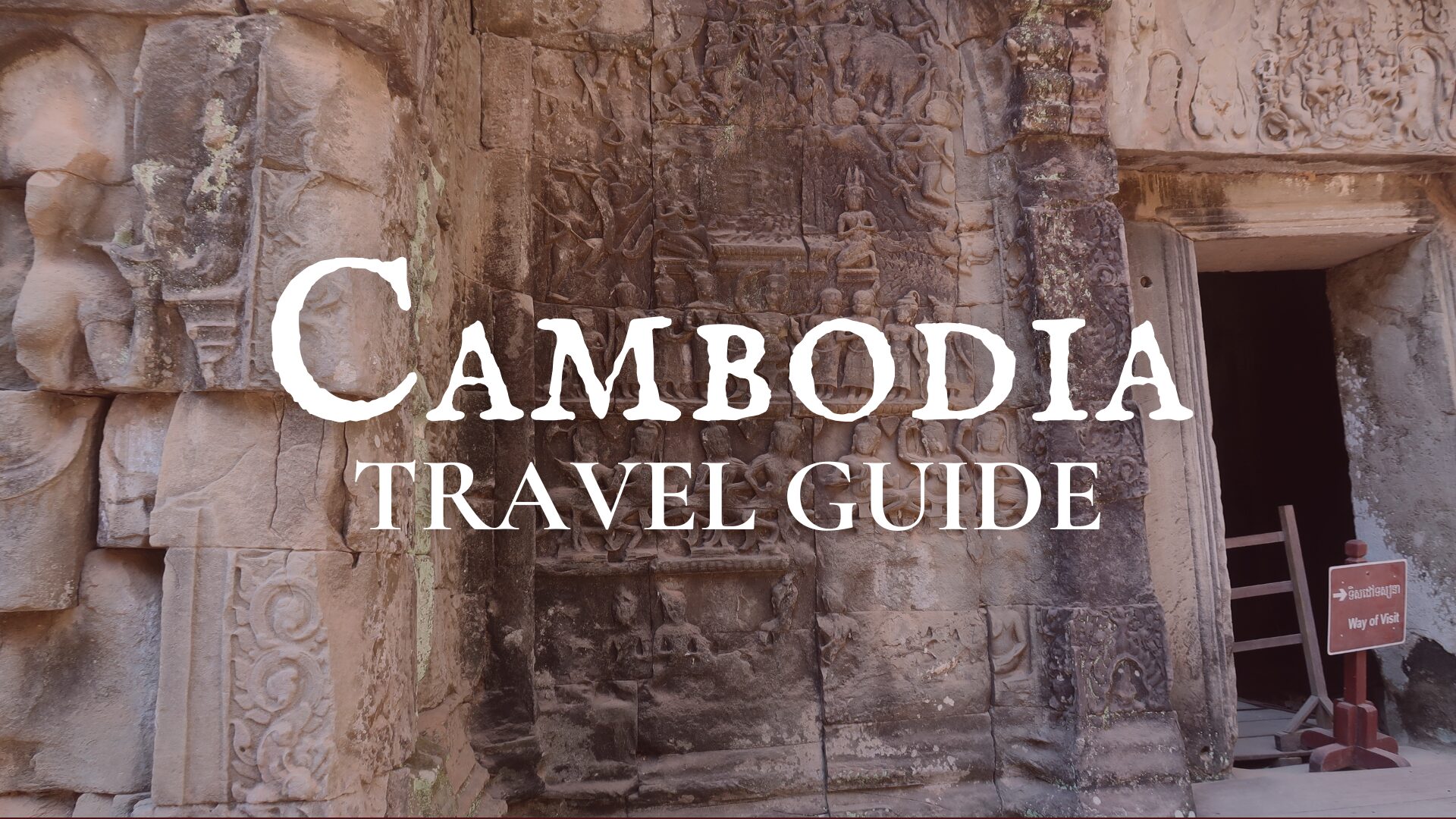
Cambodia is a country that lingers in your memory—not only for its ancient temples, golden sunrises, and tropical landscapes, but for the resilience and warmth of its people. Tucked between Thailand, Laos, and Vietnam, this Southeast Asian nation is a portrait of contrasts: jungle-covered ruins meet buzzing cities, quiet riverside towns balance chaotic markets, and centuries-old spirituality weaves into the pulse of everyday life.
Many travelers come for Angkor Wat—and rightly so—but Cambodia has much more to offer than its famous stones. From floating villages on Tonlé Sap to the slow rhythms of the Mekong, from Phnom Penh’s heartbreaking history to the untamed Cardamom Mountains, Cambodia is a place where stories unfold gently, and often unexpectedly.
Whether you’re a backpacker, a digital nomad, a history lover, or a beach bum, Cambodia has something for you. Just come with curiosity, humility, and an open heart.
Cambodia at a Glance
| Feature | Details |
| Capital | Phnom Penh |
| Population | ~17 million (2025 estimate) |
| Language | Khmer (Cambodian) |
| Currency | Cambodian Riel (KHR); US Dollars widely accepted |
| Time Zone | UTC +7 |
| Religion | Theravāda Buddhism (official religion) |
| Best Time to Visit | November to March (dry, cooler season) |
| Visa | Tourist visa on arrival or e-visa (30 days) |
| Transportation | Tuk-tuks, buses, shared taxis, and domestic flights |
| Plug Type | Types A, C, and G (220V, 50Hz) |
Travel Tip: US dollars are used in nearly every transaction. Just bring small bills, as Riels are often used for change under $1. ATMs dispense both currencies in major cities.
Siem Reap & Angkor Wat: Cambodia’s Timeless Crown Jewel
If you only have time for one stop in Cambodia, let it be Siem Reap—not because it’s a bustling hub of nightlife or world-class shopping (though it has its share of both), but because it’s the gateway to one of the most magnificent archaeological sites on Earth: Angkor.
The ancient Khmer capital of Angkor was once the largest city in the world during the 12th century, and today it’s home to over 1,000 temples, crumbling but alive, swallowed and shaped by time, war, and jungle. Visiting Angkor isn’t just about checking off temples—it’s about stepping into a world that once rivaled Rome, Babylon, and Beijing.
But Siem Reap itself isn’t just a staging ground. It’s a town with its own rhythm—laid-back but alive, creative yet grounded, spiritual and surprising. Whether you’re into sunrise photography, street food, ancient history, or just sitting still and listening to the trees breathe, this is the place.
What to Do in Siem Reap & Angkor
1. Angkor Wat at Sunrise
Let’s start with the obvious. Set your alarm early—really early—and join the quiet procession of travelers riding tuk-tuks in the dark. Watching the sunrise over Angkor Wat, its reflection glowing in the lotus ponds, is one of those travel moments that feels otherworldly.
Tip: Don’t leave after the sun comes up. The best light hits the temple just after sunrise, and the tour buses thin out.
2. The Big Three: Angkor Wat, Bayon, and Ta Prohm
While the whole Angkor Archaeological Park spans hundreds of temples, a classic day will include:
- Angkor Wat – The crown jewel. Symmetrical, massive, and deeply spiritual. The bas-reliefs alone could take a full morning to explore.
- Bayon Temple – Located in Angkor Thom, this surreal structure features over 200 massive stone faces, all with a serene smile.
- Ta Prohm – Known as the “Tomb Raider Temple,” this atmospheric ruin is slowly being reclaimed by the jungle. Enormous roots twist around the stones in a beautiful (and humbling) clash between man and nature.
📝 Ticket Info: A 3-day pass (~$62) is highly recommended. Buy it in advance to skip the line. Dress respectfully—shoulders and knees covered.
3. Explore the Park by Bicycle or Tuk-Tuk
You can hire a tuk-tuk driver for the day (~$20–30), or if you’re up for a bit more independence, rent a bicycle or e-bike. The distances are manageable, and the shade from the jungle canopy offers a cool, quiet way to experience the temples on your own time.
4. Take a Cultural Detour at Phare, The Cambodian Circus
Not your average circus. Phare is a mix of acrobatics, theater, and Cambodian storytelling, performed by talented young artists trained at a social arts school. It’s one of the most moving and entertaining shows in the country—and a powerful way to support local talent and recovery from the trauma of war and genocide.
5. Sample Khmer Cuisine
Khmer food is subtle, fragrant, and often overlooked next to Thai or Vietnamese fare. Don’t miss:
- Fish Amok: A silky coconut curry steamed in banana leaves.
- Lok Lak: Stir-fried beef served with rice and a tangy lime-pepper sauce.
- Nom Banh Chok: Rice noodles with a green curry sauce, a popular breakfast dish.
Where to eat? Try Haven, Marum, or Genevieve’s—all of which support vulnerable communities through training and employment.
6. Float Through Tonlé Sap’s Stilted Villages
A short drive from Siem Reap, Tonlé Sap Lake is Southeast Asia’s largest freshwater lake, home to seasonal floating villages like Kompong Phluk and Chong Kneas. People here live in homes on stilts, fish for a living, and move with the rhythm of the water.
⚠️ Choose ethical tour operators who engage with communities rather than exploit them for photos. Ask where your money goes. Avoid tours that bring you into homes or schools without consent.
7. Get Lost in the Temples Less Traveled
Some of the most peaceful and mysterious temples are the ones without crowds. Add these to your itinerary:
- Preah Khan: A sprawling monastic complex, half-ruined and full of eerie corridors.
- Banteay Srei: The “Citadel of Women,” known for its intricate pink sandstone carvings. It’s further out but worth the trip.
- Neak Pean: A unique water temple on an island—one of the only round temples in Angkor.
8. Shop Local and Support Artisan Work
Siem Reap is full of ethical craft shops and workshops where you can see traditional Cambodian art being revived:
- Artisans Angkor: Silk weaving, woodcarving, and stone carving by artisans trained through free programs.
- Made in Cambodia Market: A great place to buy directly from local makers and small brands.
- Rehash Trash: Recycled crafts made by women empowered through sustainable work.
9. Cool Off at a Pool or Cafe
It gets hot—really hot. Take a break at a pool-friendly hotel or sip iced coffee in a quiet courtyard café like Footprint Café, Little Red Fox, or Sister Srey. Many of these spots support local causes or donate proceeds to social projects.
10. Reflect at Wat Thmey (Killing Fields Memorial)
While Cambodia is known for Angkor’s grandeur, it’s important to also acknowledge the pain in its recent past. Wat Thmey, just outside town, includes a stupa with skulls and bones from victims of the Khmer Rouge. It’s a quiet, sobering reminder of how far the country has come.
Angkor Wat Travel Guide: Everything You Need to Know Before You Go
🎟 Entry Prices and Passes (as of 2025)
To visit Angkor, you’ll need to purchase an Angkor Pass, which grants you access to all temples within the Archaeological Park.
| Pass Type | Price (USD) | Validity |
| 1-Day Pass | $37 | One day |
| 3-Day Pass | $62 | Valid for 10 days |
| 7-Day Pass | $72 | Valid for 1 month |
Tip: The 3-day pass is the most popular and offers the flexibility to explore at a relaxed pace.
Where to Buy: All tickets must be purchased at the official Angkor Ticket Office, located on Road 60, about 4 km from Siem Reap town. Tickets include a photo and must be carried with you inside the park—random checks happen.
Hours:
- Ticket office opens at 5:00 AM.
- Temples are open from 5:00 AM to 5:30 PM.
- Angkor Wat specifically opens at 5:00 AM for sunrise access.
Best Way to Explore Angkor Watt: Tours & Transport
There are several ways to explore Angkor depending on your budget, interests, and stamina.
Tuk-Tuk Tour (Most Popular)
- Cost: $15–$25 per day for a driver (more for sunrise or long routes)
- Pros: Affordable, shaded, and you support local drivers.
- Available as half-day, full-day, sunrise/sunset, or multi-day tours.
- You can book on the street or through your hotel. Always agree on price and route in advance.
Bicycle / E-Bike
- Cost: $2–$5 per day for regular bikes; $10–$15 for e-bikes
- Great for independent travelers who enjoy slower, self-guided exploration.
- Be prepared for heat and long distances. Bring lots of water and sunscreen.
Private Car & Guide
- Cost: $45–$80/day with English-speaking guide and air-con car
- Ideal for travelers who want deep historical context, less sweat, and more comfort.
Guided Group Tours
- Cost: ~$25–$40 per person (shared tours with guide)
- Good for solo travelers or budget-conscious visitors.
- Available through hotels or platforms like GetYourGuide or Viator.
Suggested Itinerary (3 Days)
Day 1: The Classics
- Sunrise at Angkor Wat
- Explore Angkor Wat’s outer galleries and climb to the upper level (Bakeng level) when it opens at 7:30 AM.
- Visit Angkor Thom: South Gate → Bayon Temple (faces) → Baphuon → Terrace of the Elephants.
- End at Phnom Bakheng for sunset (limited to 300 people at a time—arrive early!).
Day 2: Jungle Temples & Lesser-Known Gems
- Ta Prohm early (before the crowds).
- Continue to Preah Khan (underrated and massive).
- Visit Neak Pean, Ta Som, and East Mebon.
- End the day at Pre Rup or a poolside café in town.
Day 3: Outlying Temples
- Banteay Srei: Intricate pink sandstone carvings (~45 min from town).
- Add Kbal Spean for a short jungle hike to the “River of a Thousand Lingas.”
- Stop by the Landmine Museum on the way back (entry: $5 donation).
Tips for a Meaningful Visit
1. Dress Respectfully
Temples are sacred. Wear shirts with sleeves and skirts/pants that cover knees. Entry may be denied for revealing clothing.
2. Hire a Local Guide
For ~$25–$35/day, you can get an expert who’ll decode the mythological carvings, explain Khmer history, and add meaning to what might otherwise be “just another temple.”
3. Avoid Peak Hours
Major temples get crowded from 9 AM to 11 AM. Start early or visit during lunch when the tour groups leave.
4. Hydrate & Pace Yourself
It’s hot. Bring a reusable bottle, wear a hat, and don’t try to cram everything into one day. You’ll appreciate the ruins more if you’re not sunburnt and cranky.
5. Support Ethical Businesses
There are many cafes, tours, and artisan shops in Siem Reap that give back to local communities. Look for responsible travel operators and avoid exploitative practices (e.g., elephant rides or orphanage visits).
The Magic of Sunrise and Sunset
Sunrise at Angkor Wat:
- Arrive by 5 AM for a good spot at the reflection pond.
- Bring a flashlight and patience—it gets crowded.
- Coffee vendors roam the line for early risers.
Sunset Options:
- Phnom Bakheng: Classic hilltop view, but crowded.
- Pre Rup: Quieter, still beautiful.
- Srah Srang: A peaceful spot near Ta Prohm, best enjoyed with a cold coconut.
What to Pack
- Lightweight long-sleeve shirts and pants
- Refillable water bottle
- Sunscreen and hat
- Good walking shoes (many temples involve stairs and uneven ground)
- Insect repellent
- Camera with plenty of memory—trust us
Phnom Penh: Grit, Grace, and Memory
Cambodia’s capital is raw, complicated, and often misunderstood. Phnom Penh can feel chaotic at first glance, but spend a little time and you’ll discover a city full of resilience, creativity, and soul. It’s a place to understand Cambodia’s past, and to witness its present pushing forward.
What to Do:
- Tuol Sleng Genocide Museum (S-21): Once a school, later a torture prison during the Khmer Rouge. It’s difficult but vital.
- Choeung Ek Killing Fields: Just outside the city, this quiet memorial site offers an audio tour that walks you through Cambodia’s darkest chapter. Bring tissues and time to reflect.
- Royal Palace & Silver Pagoda: A beautifully preserved complex still used for ceremonies, with ornate Khmer roofs and a floor of silver tiles.
- Russian Market (Tuol Tom Poung): Great for souvenirs, clothing, and food stalls. Less chaotic than the Central Market.
- Bassac Lane: A narrow alley of trendy bars, art spaces, and restaurants—young Phnom Penh in a nutshell.
🛶 Sunset cruises on the Mekong are a great way to relax after a heavy day of history.
Kampot: River Town Calm
Tucked along the Praek Tuek Chhu River and framed by the Elephant Mountains, Kampot is Cambodia’s laid-back escape. A favorite of expats and slow travelers, it offers lazy days, pepper farms, French colonial charm, and riverside sunsets.
What to Do:
- Bokor National Park: Drive or take a scooter up winding roads to an abandoned French hill station, a fog-shrouded church, and eerie colonial ruins.
- Kampot Pepper Farms: World-famous for its flavor. Visit La Plantation or Bo Tree for tastings and tours.
- Kayak or paddleboard down the river or explore the “Green Cathedral,” a lush loop surrounded by mangroves.
- Cave temples, like Phnom Chhngok, offer a mix of adventure and spirituality.
📍 Stay in a riverside bungalow for the full Kampot experience.
Kep: Ghost Town by the Sea
Once a glitzy French beach town, Kep is now a sleepy, somewhat eerie seaside escape famous for its crab market and crumbling colonial mansions. Its emptiness is part of its beauty.
What to Do:
- Kep Crab Market: Feast on fresh crab stir-fried with green Kampot pepper.
- Kep National Park: A breezy 8km loop trail through jungle and ocean views.
- Koh Tonsay (Rabbit Island): A 20-minute boat ride from Kep, this island has no roads, few tourists, and hammocks strung along the beach.
Kep is less about doing and more about not doing—perfect if you need to unwind.
Battambang: Art, History & Rural Life
Often skipped by travelers in a rush, Battambang is Cambodia’s underrated gem. With its sleepy streets, colonial buildings, and blossoming art scene, it’s ideal for a slower, more local experience.
What to Do:
- Bamboo Train (Norry): A quirky ride on a makeshift rail car that zips through rice fields.
- Phnom Sampeau: A hilltop temple, killing cave, and bat cave where thousands of bats pour out at dusk.
- Art Galleries & Cafés: L’Atelier and Sangker Gallery support local artists. Several cafes double as community spaces.
- Local cooking classes, like at Nary’s Kitchen, give you insight into Khmer food traditions.
📸 This is a photographer’s dream—especially if you like portraits, landscapes, or crumbling colonial facades.
Koh Rong & Koh Rong Samloem: Island Paradise
Looking for turquoise water, white sand, and hammock days? Head south to Cambodia’s islands. Koh Rong is the party island; Koh Rong Samloem is its quieter sibling.
Koh Rong:
- Known for lively backpacker beaches, late-night parties, and long stretches of sandy shoreline.
- Activities include snorkeling, diving, zip-lining, and bioluminescent plankton swims.
Koh Rong Samloem:
- Quieter, with a mix of eco-resorts and off-grid bungalows.
- Saracen Bay offers calm waters and relaxation. Lazy Beach (on the west side) is a postcard-perfect sunset spot.
- There are no cars or ATMs—just stars, sand, and sea.
Getting There: Fast boats leave from Sihanoukville, though the city itself is best skipped—overdeveloped and chaotic.
Bonus Mentions:
- Kratie: For spotting rare Irrawaddy dolphins on the Mekong.
- Mondulkiri & Ratanakiri: Mountainous northeast provinces home to Indigenous communities, elephant sanctuaries, and waterfalls. Great for eco-tourism and trekking off the beaten path.
Suggested Cambodia Itineraries
Cambodia is a compact yet richly layered country—where ancient empires, colonial remnants, resilient communities, and tropical landscapes collide. Whether you have five days or two weeks, there’s a rhythm to traveling here that rewards both patience and curiosity.
Here are some suggested itineraries to help you make the most of your journey through the Kingdom of Wonder.
5-Day Highlights Itinerary: The Essential Snapshot
Best for: First-timers on a tight schedule who want to see the most iconic sights.
Day 1: Arrive in Siem Reap
- Settle in and explore the Old Market, Pub Street, and grab dinner at Marum or Haven.
- Optional: Enjoy a sunset cocktail by the river or catch the Phare Circus show.
Day 2: Angkor Wat & Main Temples
- Early sunrise at Angkor Wat.
- Visit Bayon, Ta Prohm, and Angkor Thom.
- Rest or massage in the afternoon; maybe a sunset at Pre Rup.
Day 3: More Temples + Floating Village
- Visit Banteay Srei and Preah Khan.
- Afternoon boat trip to Kompong Phluk on Tonlé Sap Lake.
Day 4: Phnom Penh
- Morning flight or bus to Phnom Penh.
- Visit Royal Palace, Wat Phnom, and Russian Market.
- Optional: Sunset river cruise.
Day 5: Khmer Rouge History
- Morning at Tuol Sleng Genocide Museum and Killing Fields.
- Fly out or transfer to your next destination.
7-Day Classic Culture Itinerary: Temples, History & Local Flavor
Best for: Travelers who want a balanced experience of temples, cities, and countryside.
Day 1–3: Siem Reap & Angkor
- Same as the 5-day itinerary, but slower paced. Add:
- Cooking class
- Bike ride through the countryside
- Visit to Artisans Angkor
- Cooking class
Day 4–5: Phnom Penh
- Explore the Palace, S-21, Choeung Ek, and enjoy riverside dining.
- Consider visiting the National Museum or Wat Ounalom.
Day 6–7: Kampot
- Bus or private car (~3–4 hours from Phnom Penh).
- Relax by the river, visit a pepper farm, and ride up to Bokor Mountain.
- Explore Kampot town, its colonial buildings, and the salt fields.
Return to Phnom Penh for departure.
10-Day Relaxation & Adventure Itinerary: Coast, Culture & Chill
Best for: Those wanting temples + beach time + river vibes.
Day 1–3: Siem Reap
- Angkor sunrise + temple exploration.
- Take it slow—spend time at cafes, take a countryside tour, or join a yoga class.
Day 4–5: Phnom Penh
- Historic landmarks and food tours.
- Watch the city shift from day into night on the Mekong.
Day 6–7: Kampot & Kep
- Pepper farm visit, kayaking on the river.
- Half-day trip to Kep, try fresh crab at the market, or ferry to Rabbit Island.
Day 8–10: Koh Rong or Koh Rong Samloem
- From Sihanoukville, ferry to the islands.
- Snorkel, dive, swing in a hammock, or swim with glowing plankton.
- Choose Koh Rong Samloem for peace, Koh Rong for nightlife.
14-Day Full Cambodia Itinerary: Deep Dive
Best for: Curious travelers ready to experience Cambodia’s diversity, from temples to rainforests to remote highlands.
Day 1–3: Siem Reap
- Temples + floating villages + cultural shows.
- Optional: Trip to Kbal Spean or the Landmine Museum.
Day 4–5: Battambang
- Scenic boat ride from Siem Reap (in wet season), or 3-hr drive.
- Ride the Bamboo Train, visit Phnom Sampeau, and catch a sunset bat flight.
- Explore local art galleries and sleepy streets.
Day 6–8: Phnom Penh
- Historical deep dive at museums, enjoy riverside walks, and sample Khmer cuisine.
- Try the food scene at Bassac Lane or take a street food tour.
Day 9–10: Kampot/Kep
- Slow days along the river, biking or kayaking.
- Taste Kampot pepper and Kep crab.
- Visit Rabbit Island for a beach escape.
Day 11–13: Mondulkiri (or Ratanakiri)
- Remote, mountainous province known for waterfalls, trekking, and elephant sanctuaries.
- Visit Indigenous Bunong communities and explore Sen Monorom.
- Great for nature lovers and eco-travelers.
Day 14: Return to Phnom Penh
- Long bus or short flight back to the capital. Rest and fly out.
Alternative Ending: If you prefer beaches over mountains, replace Mondulkiri with Koh Rong instead.
Ethical & Responsible Travel in Cambodia
Cambodia is a country that gives deeply to its visitors—ancient wonders, breathtaking landscapes, and people whose strength and warmth linger long after you leave. But it’s also a country still healing from a brutal recent history, where tourism plays a powerful role in both empowerment and exploitation.
As travelers, our choices matter. How we spend, how we observe, how we engage—these ripple through communities and ecosystems. So if you’re headed to Cambodia and want to do more good than harm, here’s how to travel ethically, respectfully, and responsibly.
1. Slow Down & Stay Local
In Cambodia, slower is better. Instead of rushing through Siem Reap and Phnom Penh on your way to Thailand or Vietnam, give the country the time it deserves. Slow travel opens up conversations, helps you appreciate nuance, and benefits the communities you’re staying in.
How to Do It:
- Choose locally owned guesthouses, cafes, and tour operators.
- Book with homestays or small eco-lodges when visiting rural areas like Kampot, Mondulkiri, or Koh Rong Samloem.
- Eat at social enterprises like Haven, Friends, or Spoons that train and employ vulnerable youth.
2. Spend with Intention
Your dollars are powerful. Cambodia is one of the poorest countries in Southeast Asia, and how you spend your money can either support exploitation—or build resilience.
What to Avoid:
- Orphanage visits: Many are unregulated and exploit children for tourist donations. Children belong in families, not institutions.
- Cheap mass-produced souvenirs: Many are imported from China or Vietnam and don’t benefit locals.
What to Support:
- Buy from fair-trade and artisan cooperatives, like Artisans Angkor or Made in Cambodia Market.
- Tip fairly—especially tuk-tuk drivers, hotel staff, and tour guides.
- Ask where your money goes when booking a tour or activity.
3. Respect Sacred Sites & Traditions
Cambodia is a deeply spiritual country. Temples are living spaces of worship, not just photo ops. Dress, speech, and behavior carry weight.
Guidelines:
- Cover shoulders and knees when visiting temples.
- Remove shoes and hats when entering shrines.
- Don’t climb on temple ruins or sit on religious statues.
- Avoid loud conversations, especially during prayers or offerings.
Photography Tip: Always ask before photographing monks, elders, or villagers—especially in rural areas.
4. Protect Children from Tourism
Cambodia has been heavily impacted by what’s sometimes called “voluntourism”—well-meaning travelers unknowingly causing harm. Many orphanages are scams, and unsupervised tourism involving children (like school visits or photo ops) violates their right to privacy and dignity.
What to Do Instead:
- Support ethical NGOs working with families to prevent child separation.
- Book cooking classes or village tours run by adults in the community.
- Avoid giving money, candy, or gifts directly to children. It creates harmful dependency cycles.
5. Choose Animal Experiences Wisely
From elephant rides to “selfie monkeys,” animal exploitation is a problem in Cambodia’s tourism sector.
Red Flags:
- Animals used for photos, chained, or forced to perform.
- Elephant rides (especially if the animals are being ridden or performing tricks).
Ethical Alternatives:
- Visit sanctuaries like the Elephant Valley Project in Mondulkiri, where rescued elephants roam freely and tourists observe (not touch).
- Support wildlife rehabilitation efforts through vetted organizations like Wildlife Alliance.
6. Minimize Your Waste
Cambodia’s infrastructure struggles to manage plastic waste—especially on islands and in rural areas.
Easy Fixes:
- Bring a reusable water bottle. Many hostels and cafes offer refill stations.
- Say “ot chong plah-suh-dik” (Khmer for “no plastic bag”) at markets.
- Carry a reusable tote, straw, and utensils.
Even small actions make a visible difference here.
7. Choose Community-Based Tourism
From floating villages on Tonlé Sap to jungle treks in Ratanakiri, Cambodia offers many immersive experiences—but not all are created equally.
Look For:
- Tours run by the community, for the community.
- Homestays or workshops that include cultural exchange, not observation.
- Transparency about where your money goes.
Examples:
- CBT Cambodia offers vetted rural tourism options.
- Village homestays in Chi Phat (Cardamom Mountains) help fund conservation and livelihoods.
8. Be Humble & Curious
Cambodia is not a backdrop for your Instagram feed. It’s a country shaped by trauma, resilience, and joy. Come not just to see—but to learn, listen, and reflect.
Ask yourself:
- Am I a respectful guest?
- Am I here to extract or to engage?
- What am I leaving behind?
Safety & Health Tips for Traveling in Cambodia
Cambodia is generally a safe and welcoming country, filled with warm people, ancient temples, and unforgettable landscapes. But like any travel destination, it comes with its own set of challenges—from tropical bugs to bumpy roads, dehydration to digital scams.
Here’s your complete guide to staying safe, healthy, and prepared while traveling in Cambodia.
General Safety Overview
Cambodia is safe for tourists, especially in popular areas like Siem Reap, Phnom Penh, and the southern coast. Violent crime is rare, but petty theft and scams can happen—mostly in cities and tourist zones.
Street Smarts:
- Bag snatching is the most common crime—especially from motorbikes. Wear your backpack on both shoulders or use a crossbody bag and keep it on the opposite side from the road.
- Avoid walking alone late at night in dimly lit or isolated areas.
- Be cautious if you’re taking a night bus—choose reputable companies (like Giant Ibis) and keep your valuables close.
- In bars or clubs, never leave your drink unattended.
If something happens, Cambodia has a tourist police hotline: 117.
Vaccinations:
- Recommended: Hepatitis A, Typhoid, Tetanus.
- Optional (based on trip style): Hepatitis B, Rabies (if working with animals or in rural areas), Japanese Encephalitis (long stays in rainy season).
Water & Food Safety:
- Don’t drink tap water. Use bottled or filtered water, even for brushing teeth.
- Avoid ice unless you’re sure it’s made from purified water.
- Street food is generally safe in busy areas—go where locals eat and look for turnover and cleanliness.
Pharmacies & Clinics:
- Pharmacies are easy to find in cities, and many common medications are available over the counter.
- For serious health issues, head to Royal Phnom Penh Hospital or Royal Angkor International Hospital in Siem Reap.
- Medical evacuation insurance is essential if you plan to explore remote areas.
Preventing Mosquito-Borne Illness
Cambodia has dengue fever, malaria (in very rural areas), and chikungunya—all transmitted by mosquitoes.
How to Stay Safe:
- Wear light-colored long sleeves and pants at dusk and dawn.
- Use DEET-based or natural repellents.
- Sleep under a mosquito net in rural or budget accommodations.
- Malaria pills are not usually necessary for Siem Reap or Phnom Penh, but check with a travel clinic if going deep into the jungle or border regions.
Heat, Sun & Hydration
The Cambodian sun is no joke—it’s hot, humid, and unforgiving, especially from March to May.
Stay Cool:
- Drink at least 2–3 liters of water per day.
- Take breaks indoors or in shade, especially between 11 AM and 3 PM.
- Use reef-safe sunscreen with SPF 30 or higher. Reapply often.
- Signs of heat exhaustion: dizziness, headache, cramps, nausea—rest and hydrate immediately if symptoms appear.
Road Safety
Road conditions vary widely. While cities are improving, rural roads can be hazardous, and traffic laws are loosely enforced.
Tips for Getting Around:
- Always wear a helmet if riding a motorbike or scooter. Accidents are common.
- Don’t rent a motorbike if you’ve never driven one—Cambodian roads are not ideal for learning.
- Tuk-tuks are safer and affordable; agree on the fare before the ride, or use apps like Grab.
- Avoid driving at night, especially outside major cities.
Beach & Island Safety
Cambodia’s beaches and islands (like Koh Rong and Koh Rong Samloem) are beautiful, but can pose safety risks if you’re not careful.
Keep in Mind:
- No lifeguards: Swim with caution, especially during rough seas.
- Watch for sharp coral, jellyfish, and sea urchins.
- On islands, medical care is minimal to nonexistent—bring your own basic first aid kit.
- Be careful with alcohol while swimming or boating.
Digital & Financial Safety
Internet access is widely available in Cambodia, but digital security still matters, especially if you’re working remotely or using public Wi-Fi.
Tips:
- Use a VPN when accessing sensitive information or doing online banking.
- Watch for ATM skimmers—use machines attached to banks or inside convenience stores.
- Keep emergency cash and a copy of your passport in a separate bag.
Travel Insurance: Non-Negotiable
Things go wrong when you least expect them—lost bags, food poisoning, scooter accidents, heatstroke, canceled flights.
A good travel insurance plan should cover:
- Emergency medical care and evacuation
- Lost or stolen luggage
- Trip cancellations or delays
- Adventure activities (if applicable)
Providers like World Nomads, SafetyWing, or IMG are popular with travelers to Southeast Asia.
What to Pack for Health & Safety
- Refillable water bottle (with filter if possible)
- Sunscreen (reef-safe)
- Insect repellent
- Basic first aid kit (plasters, antiseptic, electrolytes, Imodium)
- Any prescription medications (in original packaging)
- Travel insurance documents
- Light scarf or sarong (for temples and sun protection)
- Headlamp or flashlight (especially on islands)
A Woman’s Guide to Traveling in Cambodia: Safe, Empowered, and Ready to Explore
Why Cambodia is Great for Women Travelers
- Friendly locals: Cambodians are warm, generous, and quick to help—especially in rural areas.
- Well-trodden paths: Popular routes like Siem Reap ↔ Phnom Penh ↔ Kampot/Kep are full of backpackers and solo travelers.
- Affordable comforts: You can splurge on privacy and safety (private rooms, taxis, nicer guesthouses) without breaking the bank.
- Growing support networks: From women-led hostels to travel forums, there’s a sense of solidarity and support among female travelers here.
Safety Tips for Solo Women:
- Trust your instincts: If a situation feels off, remove yourself. No explanation needed.
- Stay connected: Share your itinerary with a friend or family member. Use SIM cards or eSIMs to stay online (Metfone and Smart are best).
- Avoid walking alone at night, especially on quiet roads or beaches.
- Choose accommodations with good reviews, and consider women-only dorms or boutique guesthouses for added comfort.
- When taking tuk-tuks at night, book through your hotel or use ride apps like Grab.
Cultural Etiquette & Gender Norms
Cambodia is a predominantly Buddhist and conservative society. As a woman traveler, respecting local customs goes a long way—and also helps you avoid unwanted attention.
Dress Modestly in Temples:
- Cover shoulders and knees.
- Avoid low-cut tops or short shorts, especially in rural areas.
- A scarf or sarong is helpful for quick cover-ups.
Gender Interactions:
- Cambodian culture is modest. Public displays of affection are rare.
- Smiling and eye contact are common, but prolonged or flirty behavior may be misread.
- Be friendly, but clear about your boundaries—especially with overly curious tuk-tuk drivers or shopkeepers.
What to Pack (Women)
- Light, breathable clothing that covers your shoulders and knees
- A light scarf or sarong (temples, sun, impromptu modesty)
- Menstrual products (tampons can be hard to find)
- Modest swimwear for beaches and island trips
- Headlamp or flashlight for low-lit areas or island bungalows
- Pepper spray is generally unnecessary, but a whistle or loud alarm can offer peace of mind
Tampons and pads are available in major cities, but it’s best to bring a menstrual cup or stock up before remote trips.
Wellness & Self-Care on the Road
Travel can be tough on your body and spirit. Cambodia has many ways to unwind and reconnect.
- Massages & Spas: Affordable and everywhere. Look for places that are women-run or support survivors, like Bodia Spa or Seeing Hands (blind massage therapists).
- Yoga & Meditation: Siem Reap and Kampot have great yoga studios and retreats.
- Quiet Cafés: Sister Srey Café (Siem Reap), Simple Things (Kampot), and The Shop (Phnom Penh) are perfect for journaling, reading, or just breathing.
Dealing with Unwanted Attention
Harassment in Cambodia is rare compared to some other destinations in Southeast Asia. That said, it can happen—especially in the form of stares, intrusive questions, or pushy men in nightlife zones.
What Helps:
- Be polite but firm if someone makes you uncomfortable.
- Say “ot te” (Khmer for “no”) clearly and confidently.
- Avoid walking alone late at night in cities or on the islands.
- Trust your gut, and don’t worry about being “rude”—you are not obligated to talk to strangers, smile, or explain yourself.
Women Supporting Women: Where to Stay, Eat, & Learn
Supporting women in Cambodia means supporting long-term empowerment, education, and dignity. Many businesses are female-led or provide training for women overcoming poverty or violence.
Great Options:
- Haven (Siem Reap): A restaurant training at-risk youth.
- Friends International (Phnom Penh): Café and shop supporting street-involved women and children.
- Spoons Café & Training Center: Student-run restaurant in Siem Reap.
- Women’s Resource Center: A local NGO offering education and safe spaces for Cambodian women. They sometimes offer community talks and volunteer options.
Solo but Not Alone
Even if you’re traveling alone, you won’t feel lonely in Cambodia. You’ll meet other travelers in hostels, cafés, temples, cooking classes, and boat rides.
Online communities can help you stay connected too:
- Facebook groups: “Girls LOVE Travel,” “Solo Women Travelers,” “Backpacking Cambodia”
- Apps: Meetup, Couchsurfing, and even Bumble BFF for connecting with other women travelers
Where to Stay in Cambodia: Best Areas & Accommodation Tips by City
Whether you’re backpacking through Southeast Asia, traveling as a couple, or working remotely in search of quiet beauty, Cambodia offers accommodations for every kind of traveler. From riverside hostels and boutique eco-lodges to beachfront bungalows and luxe hotels, it’s affordable, diverse, and full of charm.
This guide breaks down where to stay across Cambodia’s major destinations, including budget, mid-range, and upscale options, as well as which neighborhoods to base yourself in and what kind of vibe you can expect.
📍 Siem Reap: Gateway to Angkor Wat
Siem Reap is more than temples. It’s full of energy—home to buzzing night markets, friendly locals, and social enterprises. You’ll find everything from $5 beds to $300 sanctuaries.
Best Areas to Stay:
- Old Market / Pub Street: Central and lively—close to food, markets, and nightlife.
- Wat Bo Road: More relaxed, boutique-style stays and great coffee shops.
- Near Angkor Park: Quiet, green, ideal for sunrise temple-goers.
Accommodation Picks:
- Budget: Onederz Hostel – social yet clean, with rooftop pool and great views.
- Mid-Range: The Urban Villa Siem Reap – boutique comfort with a pool and eco-conscious touches.
- Luxury: Heritage Suites Hotel – elegant, colonial-style luxury with spa and lush gardens.
📍 Phnom Penh: The Capital’s Grit and Grace
Cambodia’s capital is fast-paced and complex—part royal heritage, part concrete chaos. It has a wide range of stays, from cozy riverside B&Bs to sleek high-rises.
Best Areas to Stay:
- Riverside (Sisowath Quay): Scenic, walkable, and full of restaurants and nightlife.
- BKK1: A trendy expat neighborhood with cafés, co-working spaces, and safer streets.
- Toul Tom Poung (Russian Market): Artsy, less touristy, and good for longer stays.
Accommodation Picks:
- Budget: Sla Boutique Hostel – comfy dorms, strong Wi-Fi, friendly vibe.
- Mid-Range: TeaHouse Asian Urban Hotel – beautiful design, central location, excellent value.
- Luxury: Rosewood Phnom Penh – modern luxury in a skyscraper with skyline views and an infinity pool.
📍 Kampot: Riverside Charm & Mountain Air
Kampot is where people come to slow down. With its riverfront bungalows, pepper farms, and laid-back cafes, it’s perfect for peaceful stays and remote work.
Best Areas to Stay:
- Riverside (in town): Walkable to restaurants and shops.
- Riverside (outside town): Quiet bungalows and eco-lodges 10–15 mins by tuk-tuk.
- Near Bokor: Mountain air and scenic views, though more remote.
Accommodation Picks:
- Budget: Naga House – riverside bungalows and a social traveler vibe.
- Mid-Range: The Columns – colonial-style hotel in the heart of town.
- Unique Stay: Greenhouse Retreat – stunning riverside ecolodge with gardens and kayaking.
📍 Kep: Ghostly Beaches & Fresh Crab
Kep is sleepy and serene—perfect for rest, writing, or crab feasts. It’s not about nightlife here—it’s about sunsets, hammocks, and sea air.
Best Areas to Stay:
- Near Crab Market: Easy access to seafood, beaches, and boats.
- Kep Hills / National Park: Scenic, hilly views and jungle serenity.
Accommodation Picks:
- Budget: Rega Guesthouse – affordable bungalows with a lush garden.
- Mid-Range: Le Flamboyant Resort – friendly service and a great pool.
- Luxury: Knai Bang Chatt – minimalist oceanfront luxury with a private pier and infinity pool.
📍 Koh Rong & Koh Rong Samloem: Island Escapes
Cambodia’s tropical islands offer turquoise waters, palm trees, and digital detoxes. Koh Rong is livelier; Koh Rong Samloem is for peace.
Koh Rong:
- Stay in: Koh Toch (party), Long Set Beach (quieter, still accessible)
- Budget: Island Boys Hostel – for backpackers and beach bonfires.
- Mid-Range: White Beach Bungalows – comfort without luxury on a lovely stretch of sand.
Koh Rong Samloem:
- Stay in: Saracen Bay (main beach), Lazy Beach (more remote)
- Budget: The Sleeping Tree Hostel – chill social spot with yoga and good vibes.
- Mid-Range: Sara Resort – clean, well-managed, right on the water.
- Luxury: Sol Beach Resort – air-con bungalows with epic sunrise views.
💡 Note: These islands often have limited Wi-Fi and electricity, so come prepared to unplug.
📍 Battambang: Underrated Artistic Soul
Battambang is low-key, but full of charm—colonial streets, rice fields, and creative energy. It’s a great stop between Siem Reap and Phnom Penh.
Best Areas to Stay:
- City center: Easy access to food, markets, and tuk-tuk tours.
- Along the river: Quieter and more atmospheric.
Accommodation Picks:
- Budget: Here Be Dragons Hostel – quirky, artsy, and great for meeting travelers.
- Mid-Range: Bric-à-Brac – boutique charm in a heritage building.
- Luxury: Maisons Wat Kor – stunning rural stay just outside town with a focus on Khmer culture.
Unique & Eco-Friendly Stays Across Cambodia
Want something different? Try:
- Chi Phat Ecotourism Project (Cardamom Mountains): Homestays and jungle treks that support conservation.
- Elephant Valley Project Lodge (Mondulkiri): Stay near rescued elephants in the forest.
- Hanchey Bamboo Resort (Kampong Cham): Sustainable bungalows overlooking the Mekong.
Tips for Booking Accommodation in Cambodia
- Booking platforms: Agoda, Booking.com, and Hostelworld are reliable; some remote places only take direct bookings via Facebook or WhatsApp.
- Check reviews: Look for recent comments about cleanliness, safety, and Wi-Fi if working remotely.
- Ask about transport: Some guesthouses offer free tuk-tuk pickups, especially in Siem Reap and Kampot.
- Support social enterprises: Many guesthouses, cafes, and hotels train or employ marginalized youth and women.
Ethical Accommodation in Cambodia: Sleep With Purpose
Where you choose to sleep in Cambodia can do more than just give you a comfortable bed — it can empower communities, support environmental sustainability, and foster dignity in a country still healing from poverty, trauma, and injustice.
The rise of ethical, locally owned, and socially responsible guesthouses, hotels, and homestays means travelers now have the opportunity to give back with every overnight stay.
Here’s how to find ethical accommodations — and why it matters.
What Is Ethical Accommodation?
Ethical accommodations in Cambodia generally do one or more of the following:
- Employ and train vulnerable populations (like orphans, at-risk youth, survivors of violence, or rural women).
- Support local ownership, keeping money in Cambodian hands.
- Reduce environmental impact (through solar power, water filtration, plastic reduction).
- Invest in communities, through education, healthcare, or conservation.
Rather than extract wealth from communities, ethical hotels and hostels become part of the ecosystem of care that Cambodia needs — and travelers can be part of that.
How to Know if a Stay Is Ethical
Look for:
- Transparency: Do they explain their mission clearly? Do they mention who owns the business?
- Community impact: Do they provide job training, education, or services to locals?
- Environmental practices: Are they reducing plastic use, conserving energy, composting, or protecting local resources?
- Local sourcing: Do they use local staff, food, and materials?
Ask questions or email them — ethical places are proud to talk about what they do.
Recommended Ethical Stays in Cambodia
Here are a few accommodations across Cambodia that are known for giving back — ethically, socially, and sustainably.
Haven Training Restaurant & Guesthouse (Siem Reap)
- Trains marginalized youth in hospitality.
- Guesthouse profits help fund their training programs.
- Beautiful rooms and delicious food.
The White Bungalow (Kampot)
- Woman-owned, eco-focused, and built with sustainability in mind.
- Riverfront bungalows with composting toilets, no single-use plastic, and organic gardens.
- Hosts community events and environmental workshops.
Banteay Srey Women’s Spa & Guesthouse (Siem Reap)
- Entirely women-run and supports local female empowerment projects.
- Offers yoga, massages, and safe, quiet accommodations.
- Revenue goes directly to women’s wellness initiatives.
Elephant Valley Project Lodge (Mondulkiri)
- Offers rustic accommodation near rescued elephants in natural forests.
- 100% of profits go to elephant care and forest conservation.
- No riding, no performances — just ethical observation.
Hanchey Bamboo Resort (Kampong Cham)
- Khmer-run eco-resort built with local materials.
- Offers yoga, farm-to-table food, and panoramic views of the Mekong.
- Proceeds support a Buddhist NGO that provides free education to children in the region.
Other Ways to Make Your Stay More Ethical
Even if you’re not in a certified “eco” or “ethical” stay, you can still practice responsible travel by:
- Supporting small, family-run guesthouses instead of chains or foreign-owned resorts.
- Saying no to daily towel changes to reduce water waste.
- Refilling your water bottle instead of buying plastic.
- Leaving generous tips for cleaning staff and tuk-tuk drivers.
- Booking directly rather than through platforms that take large commissions.
What to Eat in Cambodia: A Guide to Khmer Flavors & Must-Try Dishes
Cambodia’s food scene is a vibrant, aromatic journey through centuries of history, culture, and fresh local ingredients. Influenced by Chinese, Vietnamese, and French cuisines but entirely unique, Khmer food offers a wonderful balance of sweet, sour, salty, and spicy — and a taste of everyday life.
Whether you’re grabbing street food from a bustling market or sitting down to a family-style meal, here’s what to eat in Cambodia — from iconic classics to hidden gems.
Khmer Cuisine 101: What Makes It Special?
- Fresh herbs & greens like lemongrass, kaffir lime leaves, mint, and coriander.
- Fermented flavors — fish sauce (teuk trey), prahok (fermented fish paste) add depth.
- Balance of five tastes: sour (tamarind), sweet (palm sugar), salty (fish sauce), bitter (local greens), and spicy (chili).
- Rice is a staple — steamed jasmine rice and sticky rice accompany nearly every meal.
1. Amok Trey (Fish Amok)
- Cambodia’s most famous dish: fish cooked in a creamy coconut curry, steamed in banana leaves.
- Mild, fragrant, and slightly sweet with kaffir lime and lemongrass.
- Usually served with rice, it’s a comforting must-have.
2. Lok Lak
- Stir-fried marinated beef served with rice, fresh vegetables, and a tangy lime and pepper dipping sauce.
- Simple, flavorful, and popular with locals and tourists alike.
3. Nom Banh Chok (Khmer Noodles)
- A beloved breakfast dish: rice noodles topped with a green fish gravy, fresh herbs, cucumber, banana flower, and lime.
- Refreshing, light, and packed with texture and flavor.
4. Bai Sach Chrouk (Grilled Pork & Rice)
- Street breakfast staple: thinly sliced pork grilled over charcoal, served over rice with pickled vegetables and broth.
- Cheap, delicious, and perfect for early risers.
5. Kuy Teav (Rice Noodle Soup)
- A popular breakfast or lunch soup made with beef or pork bones, rice noodles, and fresh herbs.
- Usually topped with lime, chili, and sometimes fried shallots.
6. Prahok Ktiss
- A rich dip made from fermented fish paste mixed with coconut milk, minced pork, and spices.
- Typically eaten with raw or steamed vegetables—definitely for adventurous eaters!
Snacks & Street Food
- Fried tarantulas and crickets: crunchy, salty, and a popular snack in Battambang.
- Num Pang: Cambodian baguette sandwiches filled with grilled meats, pickled veggies, and fresh herbs — a French legacy.
- Grilled corn, banana fritters, and sugar cane juice: widely available roadside treats.
- Sticky rice with mango: sweet, sticky, and refreshing dessert.
Drinks to Try
- Iced Coffee (Kah-fee Ouy): Strong, sweetened with condensed milk, and served over ice — perfect for hot days.
- Sombai: Cambodian infused rice wine available in fruit flavors like mango and passionfruit.
- Sugar cane juice: Freshly pressed and sweet, often sold on street corners.
- Tep Apsara: Locally brewed beer, light and refreshing.
Where to Eat
- Local Markets: Great places to try bai sach chrouk, kuy teav, and fresh fruit.
- Street Stalls: The best way to taste authentic, affordable Khmer food.
- Social Enterprise Restaurants: Try Haven or Friends in Siem Reap — great food with a mission to train vulnerable youth.
- Night Markets: Filled with snacks, grilled meats, and desserts.
Dining Etiquette
- Use a spoon and fork: fork pushes food onto the spoon, which goes into your mouth.
- Sharing dishes family-style is common.
- Don’t be afraid to ask for less spicy if you prefer milder flavors.
- Tipping is appreciated but not mandatory; rounding up is common.
Cambodia Packing List: Essentials for Your Trip to the Kingdom of Wonder
Clothing
- Lightweight, breathable clothes (cotton, linen)
- Long-sleeve shirts and pants (for sun and mosquito protection)
- Comfortable walking shoes or sneakers
- Sandals or flip-flops (for beaches and casual wear)
- Swimsuit (for beaches, pools, and waterfalls)
- Scarf or sarong (temple visits, sun protection, modesty)
- Hat or cap (wide-brim preferred for sun)
- Light rain jacket or poncho (especially May–October rainy season)
- Sleepwear
Toiletries & Personal Care
- Sunscreen (reef-safe recommended)
- Insect repellent (DEET or natural alternatives)
- Travel-size shampoo, conditioner, soap
- Toothbrush and toothpaste
- Personal medications and first aid kit (plasters, antiseptic, painkillers)
- Menstrual products (tampons can be scarce outside cities; consider a menstrual cup)
- Hand sanitizer and wet wipes
- Lip balm with SPF
Electronics & Documents
- Universal power adapter (Cambodia uses types A, C, and G plugs; 230V)
- Phone and charger
- Power bank
- Camera and memory cards
- Headlamp or small flashlight (helpful in remote areas or during power outages)
- Passport and photocopies (keep copies separately)
- Travel insurance documents
- Credit/debit cards and some cash in USD and Cambodian Riel (small bills preferred)
Travel Gear & Extras
- Daypack or small backpack for daily outings
- Reusable water bottle with filter (tap water isn’t safe)
- Dry bag or ziplock bags (to protect electronics and documents from rain/water)
- Sunglasses
- Guidebook or offline maps app
- Lightweight travel towel
- Earplugs and eye mask (for noisy or bright accommodations)
- Travel laundry kit (sink stopper, soap sheets, laundry line)
- Snacks for long travel days or remote areas
Optional but Useful
- Travel pillow (for buses and flights)
- Mosquito net (for budget or jungle stays)
- Lightweight binoculars (for wildlife spotting)
- Phrasebook or Khmer language app
- Small lock for lockers or bags
Packing Tips
- Pack light: Cambodia is hot and humid; heavy luggage is a hassle.
- Layer clothes: Mornings and evenings can be cooler, especially in mountains.
- Respect dress codes: Bring modest clothes for temples—cover shoulders and knees.
- Prepare for power outages: Carry a flashlight or headlamp, especially on islands.
- Cash is king: Keep small bills handy for tuk-tuks, markets, and tips.
Cultural Etiquette & Social Norms in Cambodia: How to Travel with Respect
Cambodia’s rich culture is shaped by centuries of history, Buddhism, and community traditions. When you travel here, showing respect for local customs isn’t just polite—it opens doors to genuine connections and a more meaningful experience.
Whether you’re visiting temples, markets, or rural villages, understanding Cambodian social norms will help you navigate interactions smoothly and avoid misunderstandings.
Greetings & Politeness
- The Sampeah is the traditional Cambodian greeting—a slight bow with hands pressed together like a prayer. The higher the hands and deeper the bow, the more respect is shown.
- When greeting elders, monks, or officials, try to return a Sampeah.
- It’s fine to greet with a simple “Sous-dey” (hello) and a smile if you’re unsure how to do the gesture.
- When greeting elders, monks, or officials, try to return a Sampeah.
- Avoid physical contact when greeting—Cambodians don’t usually shake hands firmly or hug, especially between genders.
- Use polite words like “Aw kun” (thank you) and “Som toh” (sorry/excuse me) often.
Dress Code & Modesty
Cambodia is a conservative society, especially outside major cities.
- When visiting temples and religious sites, cover your shoulders and knees.
- Avoid tight, revealing, or see-through clothing.
- Wearing a scarf or sarong can help cover up quickly when needed.
- In rural areas, modest dress shows respect and reduces unwanted attention.
Behavior in Temples
- Remove your shoes before entering temple buildings or homes.
- Don’t point your feet at Buddha statues or monks—it’s considered disrespectful.
- Avoid climbing on ancient ruins or touching sacred objects.
- Women should avoid touching monks or handing things directly to them.
- Speak quietly and avoid loud laughter or boisterous behavior.
Social Boundaries & Body Language
- Public displays of affection are rare and generally frowned upon.
- Touching someone’s head is taboo—it’s considered the most sacred part of the body.
- Pointing with your finger is impolite; instead, gesture with your whole hand.
- Feet are considered dirty; don’t rest your feet on tables or point them at people.
Eating & Dining Etiquette
- Meals are often shared family-style. Use your right hand or a spoon to eat.
- Don’t stick chopsticks upright in a bowl of rice—it resembles incense used in funerals.
- Wait for the eldest person to start eating before you begin.
- Leaving a little food on your plate is polite to show you’re satisfied.
Religion & Spirituality
- Buddhism deeply influences daily life in Cambodia.
- Respect monks and nuns; always stand when they enter a room.
- Avoid sitting higher than a monk, and never cross their legs toward them.
- Donations to temples and monks are welcomed but never expected.
Communication Style
- Cambodians value politeness and indirect communication.
- Saying “no” directly is often avoided to preserve harmony.
- Smile frequently—even when declining offers or in difficult conversations.
- Avoid raising your voice or showing anger in public.
Bargaining & Markets
- Bargaining is normal and expected in markets, tuk-tuks, and street vendors.
- Start by offering about half the asking price and negotiate respectfully.
- Always smile and keep the interaction friendly—it’s part of the cultural dance.
Respect for Elders & Hierarchy
- Elders and those in authority receive great respect.
- When sitting, try to lower yourself slightly to show respect to older people.
- Avoid direct eye contact with superiors or elders during serious conversations.
Language Essentials in Cambodia: Speak Like a Local (or Try!)
Cambodia’s official language is Khmer (pronounced “kmae”), spoken by about 90% of the population. While English is widely used in tourist areas, markets, and hotels, learning a few basic Khmer phrases can go a long way toward showing respect, making friends, and enhancing your travel experience.
This guide covers the essentials you need to get started communicating in Cambodia — from greetings and polite expressions to numbers and directions.
Why Learn Khmer?
- It builds goodwill: Cambodians appreciate when visitors try their language.
- It opens doors: Locals may be more helpful or chatty if you greet them in Khmer.
- It enhances your experience: Ordering food, bargaining, and asking for directions becomes easier and more fun.
- It shows respect for Cambodian culture and heritage.
Basic Greetings & Polite Expressions
| Khmer Phrase | Pronunciation | Meaning |
| Sous-dey | soo-sday | Hello |
| Aw kun | ow-koon | Thank you |
| Som toh | sohm-toh | Sorry / Excuse me |
| Chum reap suor | choom-ree-ahp soo-ah | Formal hello (used in temples and formal settings) |
| Leah heuy | lee-ah hway | Goodbye |
| Baat / Baat tee | baht / baht tee | Yes / No |
Numbers 1–10
Knowing numbers helps with shopping, transportation, and money!
| Number | Khmer | Pronunciation |
| 1 | មួយ (muoy) | mwee |
| 2 | ពីរ (pii) | pee |
| 3 | បី (bei) | bay |
| 4 | បួន (boun) | boon |
| 5 | ប្រាំ (pram) | prahm |
| 6 | ប្រាំមួយ (pram muoy) | prahm mwee |
| 7 | ប្រាំពីរ (pram pii) | prahm pee |
| 8 | ប្រាំបី (pram bei) | prahm bay |
| 9 | ប្រាំបួន (pram boun) | prahm boon |
| 10 | ដប់ (dop) | dob |
Useful Phrases for Travelers
| Phrase | Khmer | Pronunciation |
| How much is this? | តម្លៃប៉ុន្មាន? (dam-lay bon-man?) | dam-lay bon-man? |
| Where is the bathroom? | បន្ទប់ទឹកនៅឯណា? (bon-tob tirk nov a-na?) | bon-tob tirk nov a-na? |
| I don’t understand | ខ្ញុំមិនយល់ទេ (khnhom min yol te) | khnhom min yol te |
| Please speak slowly | សូមនិយាយយឺតៗ (som ni-yeay yeut-yeut) | som ni-yeay yeut-yeut |
| I’m sorry / Excuse me | សូមទោស (som tos) | som tos |
| I like this | ខ្ញុំចូលចិត្តនេះ (khnhom chol chet nih) | khnhom chol chet nih |
| I’m a tourist | ខ្ញុំជាអ្នកទេសចរ (khnhom chea nak tes-jor) | khnhom chea nak tes-jor |
Directions & Transportation
| English | Khmer | Pronunciation |
| Left | ឆ្វេង (chhveing) | chhveing |
| Right | ស្តាំ (stam) | stam |
| Straight | ត្រង់ (trong) | trong |
| Stop | បញ្ឈប់ (banh-chhop) | banh-chhop |
| Tuk-tuk | តុកតុក (tuk tuk) | tuk tuk |
| Bus | ក្រុមយានយន្ត (krom yean-yon) | krom yean-yon |
Politeness & Tone
- Cambodians often smile during conversations — it’s a sign of politeness, even if they don’t understand fully.
- Use a gentle tone and speak slowly.
- Adding “som” (please) and “aw kun” (thank you) shows respect.
- Don’t be discouraged if people speak Khmer quickly — just smile and politely ask them to slow down.
Language Resources
- Apps: Google Translate (with Khmer offline pack), Learn Khmer apps on iOS and Android.
- Phrasebooks: Pick up a small Khmer phrasebook at airports or local shops.
- Locals: Most people love teaching a word or two — don’t hesitate to ask!
Accessibility & Mobility in Morocco: A Practical Guide for Travelers
Transportation
-
Major airports and some hotels in Phnom Penh and Siem Reap offer basic wheelchair access.
-
Public transportation, tuk-tuks, and buses generally lack accessibility features.
-
Roads and sidewalks in urban areas can be uneven and crowded, making navigation difficult for wheelchair users or those with limited mobility.
Accommodation
-
A growing number of mid-range and upscale hotels provide accessible rooms with ramps, wider doorways, and adapted bathrooms.
-
Budget accommodations and guesthouses often lack these facilities.
-
It’s advisable to contact hotels directly ahead of time to confirm accessibility options.
Attractions
-
Many historic sites, including Angkor Wat, have uneven terrain, stairs, and limited ramps.
-
Some temples offer assistance or adapted paths, but access varies widely.
-
Museums and newer cultural centers in Phnom Penh and Siem Reap tend to be more accessible.
Tips for Travelers
-
Plan ahead by contacting accommodations and tour operators about your specific needs.
-
Hiring a local guide familiar with accessibility challenges can greatly improve your experience.
-
Bring any necessary mobility aids, as renting equipment locally is often difficult.
-
Be prepared for some physical barriers, especially in rural and heritage areas.
Festivals & Holidays in Cambodia: Celebrating the Heart of Khmer Culture
Cambodia’s rich tapestry of history, spirituality, and community comes alive through its vibrant festivals and public holidays. From grand religious ceremonies to joyous local celebrations, these events offer travelers a unique window into Khmer traditions, beliefs, and social life.
Planning your trip around Cambodia’s major festivals can deepen your connection with the culture and create unforgettable experiences.
1. Khmer New Year (Chaul Chnam Thmey) — April
- The most important and widely celebrated festival in Cambodia.
- Marks the traditional solar new year and harvest season.
- Festivities last three days, usually April 13–15.
- Activities include water blessings, traditional games, family gatherings, temple visits, and vibrant street celebrations.
- Streets fill with laughter, dancing, and the iconic throwing of water to wash away bad luck.
2. Pchum Ben (Ancestors’ Day) — September/October
- A 15-day Buddhist festival honoring deceased ancestors.
- Cambodians visit pagodas to offer food to monks, who dedicate merit to the spirits of the dead.
- The last few days are especially significant, with families gathering at temples.
- It’s a solemn, respectful time—travelers should dress modestly and observe quietly.
3. Water Festival (Bon Om Touk) — November
- Celebrates the reversal of the Tonle Sap River and marks the end of the rainy season.
- Features spectacular boat races on the Tonle Sap and Mekong Rivers.
- The largest celebrations occur in Phnom Penh, with fireworks and cultural performances.
- A joyful, bustling event attracting locals and tourists alike.
4. Visak Bochea Day — April/May (date varies)
- Celebrates the birth, enlightenment, and death of Buddha.
- Devotees visit temples, offer food, and participate in candlelit processions.
- A deeply spiritual festival emphasizing reflection and gratitude.
5. International Women’s Day & Labor Day — March 8 & May 1
- Official public holidays with parades and events celebrating women’s rights and workers.
- Reflect growing social awareness and modernization.
Other Notable Celebrations
- King Norodom Sihamoni’s Birthday — May 14
- King’s Coronation Day — October 29
- Independence Day — November 9
- Royal Plowing Ceremony — May (date varies), marking the start of the rice-growing season.
What to Expect as a Traveler
- Festivals are great opportunities to witness traditional music, dance, food, and community spirit.
- Major holidays often mean businesses close or operate on limited hours—plan accordingly.
- Transportation and accommodation demand rise sharply during big festivals—book in advance.
- Respect local customs: dress modestly, participate respectfully, and seek permission before photographing ceremonies.
Food & Festive Treats
- Special dishes like num ansom (sticky rice cakes) and kralan (bamboo sticky rice) are enjoyed during festivals.
- Street vendors sell sweets, grilled meats, and refreshing drinks amid the celebrations.
Eco Travel Tips in Cambodia
Travelers have a unique opportunity to protect Cambodia’s natural beauty and cultural heritage by adopting eco-friendly practices. Here’s how you can make your visit more sustainable and meaningful.
1. Choose Eco-Friendly Accommodations
- Opt for guesthouses, hotels, or ecolodges that prioritize sustainability—using solar power, reducing plastic waste, and supporting local communities.
- Examples include eco-lodges near the Cardamom Mountains or locally owned guesthouses in Siem Reap and Kampot.
- Ask your accommodation about their green initiatives when booking.
2. Reduce Plastic Use
- Cambodia’s plastic pollution is a serious issue—carry a reusable water bottle and refill it at filtered water stations.
- Bring reusable shopping bags and avoid buying bottled water, plastic straws, or single-use utensils.
- Properly dispose of your waste or take it with you—especially in rural areas where trash collection is limited.
3. Support Local & Ethical Businesses
- Eat at locally owned restaurants and street stalls serving authentic Khmer food.
- Buy crafts and souvenirs directly from artisans to ensure fair income.
- Avoid businesses exploiting wildlife or using unsustainable resources.
4. Respect Wildlife & Natural Areas
- Do not touch or feed animals at sanctuaries; choose ethical projects that focus on rescue and rehabilitation.
- Stay on marked trails when trekking in national parks or jungles to protect fragile flora.
- Avoid souvenir items made from endangered animals or plants.
5. Travel Slow & Use Low-Impact Transport
- Spend more time in each location to reduce travel emissions.
- Use bicycles, walk, or take public transport such as buses and shared tuk-tuks when possible.
- Avoid domestic flights; Cambodia’s size makes overland travel feasible.
6. Conserve Water & Energy
- Water is precious—take short showers and reuse towels in hotels.
- Switch off lights, fans, and air conditioners when leaving your room.
- Use laundry services sparingly.
7. Volunteer Responsibly
- If you want to volunteer, research thoroughly to avoid exploitative programs.
- Choose projects that empower local communities and focus on education, conservation, or health.
- Be mindful of your skills and the actual needs of the community.
8. Learn & Respect Cambodian Culture
- Learn about local customs and dress modestly, especially when visiting temples and rural villages.
- Engage respectfully with local people—ask permission before photographing.
- Support cultural preservation by attending traditional performances and buying handicrafts.
Learn Before You Go: Essential Books & Films About Cambodia
Understanding Cambodia’s rich history and vibrant culture before your trip will deepen your travel experience. These carefully selected books and movies explore everything from ancient temples to modern struggles.
Books on Cambodia
1. “First They Killed My Father” by Loung Ung
A powerful memoir by a survivor of the Khmer Rouge regime, offering a personal view of Cambodia’s tragic history.
Amazon Link
2. “When Broken Glass Floats” by Chanrithy Him
Another moving memoir of surviving the Khmer Rouge genocide, with insights into resilience and hope.
Amazon Link
3. “Cambodia’s Curse: The Modern History of a Troubled Land” by Joel Brinkley
A comprehensive and accessible modern history covering Cambodia’s politics and recovery.
Amazon Link
4. “Angkor: An Introduction to the Temples” by Dawn Rooney
A detailed and beautifully illustrated guide to Cambodia’s iconic temples and archaeological sites.
Amazon Link
Movies & Documentaries
1. “The Killing Fields” (1984)
An Oscar-winning film dramatizing the Khmer Rouge era through the eyes of a Cambodian journalist and an American reporter.
Watch on Amazon Prime
2. “The Missing Picture” (2013)
An award-winning documentary by Rithy Panh using clay figures and archival footage to portray life under the Khmer Rouge.
Watch on Criterion Channel
3. “Enemies of the People” (2009)
A documentary revealing shocking testimonies from former Khmer Rouge cadres.
Watch on Kanopy
4. “Samsara” (2011)
A stunning non-narrative film capturing spiritual and cultural rituals across the world, including beautiful scenes from Cambodia’s temples.
Watch on Amazon Prime
Podcasts & Other Resources
- “Cambodia: History and Culture” by The History Hour (BBC)
Listen on BBC Sounds
- “Rithy Panh: Cambodia’s Storyteller” (The Documentary Podcast)
Listen Here
Bonus: Khmer Language Learning
- “Cambodian for Beginners” by Richard K. Gilbert — A practical guide to Khmer language basics.
Amazon Link
Conclusion
Cambodia is a land of incredible history, vibrant culture, and breathtaking landscapes. From the awe-inspiring temples of Angkor to the lively streets of Phnom Penh, every corner of this country offers unique experiences that stay with you long after you leave. By traveling thoughtfully and respectfully, you’ll not only discover Cambodia’s beauty but also connect deeply with its resilient people and rich traditions. Prepare well, keep an open heart, and get ready for an unforgettable adventure in the Kingdom of Wonder.
Leave A Comment