

Morocco is generally a safe and welcoming country for travelers, but like any destination, it comes with its own set of precautions. With some common-sense planning and cultural awareness, you can have a smooth and enjoyable trip.
When I visited Morocco, there were a couple of incidents, such as being followed by a man at night. So I have put together this list of safety tips to help in advance, including a section for female travelers.
General Safety
- Violent crime is rare, especially against tourists. Petty crime, such as pickpocketing or bag-snatching, can occur in crowded areas like medinas, markets, and bus stations—especially in cities like Marrakech, Fes, and Casablanca.
- Stay alert in busy places and tourist hotspots. Keep your phone and wallet secured and avoid displaying expensive items.
- Avoid walking alone at night in unfamiliar or poorly lit areas, especially in medinas or rural regions. This is how I got followed (it’s actually a funny story now, I chased him off with a huge rock).
- Trust your instincts—if a situation feels off, leave. Don’t feel pressured to accept unsolicited offers of help.
Police & Emergency Services
- Tourist police are present in most major cities and are generally helpful.
- In an emergency, dial 19 for police and 15 for medical assistance.
- Carry a copy of your passport and travel insurance with you at all times.
- You may be asked to show ID at police checkpoints—this is routine.

Common Scams in Morocco & How to Handle Them
Morocco is an incredibly welcoming and vibrant country, but like in many popular tourist destinations, some scams exist—especially in cities like Marrakech and Fes where tourism is high. The key is to be aware, stay calm, and be confident in navigating new situations. Here’s a breakdown of the most common scams and how to avoid them.
1. “The Medina Is Closed”
As you wander the medinas (old city centers), someone might approach you and say your destination is closed, under renovation, or not open today—and then offer to guide you elsewhere for a fee.
How to Handle It:
- Don’t trust unsolicited advice.
- Thank them and continue walking.
- Double-check on Google Maps or with your riad/hotel if a place is really closed.
2. Fake Guides or “Helpful” Locals
Friendly men may approach offering to “show you the way” or guide you through the souk. Many expect payment at the end—even if they said it was free.
How to Handle It:
- Avoid following strangers, even if they seem helpful.
- Say “no, thank you” (“La, shukran”) and keep moving.
- If you do want a guide, hire a licensed one through your hotel or online platform.
3. Henna Scams
In city squares like Jemaa el-Fnaa in Marrakech, women may grab your hand and start drawing henna before you agree—then demand money, often aggressively.
How to Handle It:
- Keep your hands close or in your pockets while walking through busy squares.
- Say “no” firmly and don’t stop walking.
- If you want henna, choose a reputable artist with a price menu.
4. Unwanted “Gifts”
Vendors may offer something like a bracelet, mint tea, or small trinket and say it’s free—but once accepted, they’ll demand payment or guilt you into buying more.
How to Handle It:
- Politely decline. Do not accept anything unless you intend to pay.
- If someone puts something on you, remove it calmly and return it.
5. Overcharging or “Mistaken” Prices
In souks, taxis, or restaurants, some vendors might quote inflated prices or pretend to misunderstand the agreed amount.
How to Handle It:
- Always ask the price before accepting any service or product.
- In taxis, insist on the meter or agree on a price before entering.
- If you’re unsure, walk away. It’s often a bluff—they may quickly lower the price.
6. Tannery Tours in Fes
Locals may lead you to the tanneries in Fes, saying it’s free, but then charge high fees after the tour or pressure you into buying expensive goods.
How to Handle It:
- Visit only with a licensed guide or through your riad.
- If you go solo, be firm that you won’t pay unless you agreed to it beforehand.
Tips for dealing with scams
- Be firm, but kind. A simple “La, shukran” (“No, thank you”) goes a long way.
- Walk with confidence. Looking lost can make you a target. Use offline maps and plan your route.
- Use your riad or hotel as a resource. They can recommend trusted guides, taxis, and shops.
- Carry small change. Avoid pulling out large bills during transactions.
- Don’t argue. If a situation feels uncomfortable, walk away or step into a shop or café.
Remember: Most People Are Honest and You Are a Visitor
While scams exist, the vast majority of Moroccans are generous, warm, and helpful. A healthy dose of caution is helpful, but don’t let it overshadow your travels.
Remember you have traveler privilege, so always practice humility.
Traveling in Morocco—and anywhere, really—means entering spaces where the socioeconomic playing field isn’t equal. For many visitors, the cost of a round-trip flight, desert excursion, or dinner out may be pocket change compared to what locals earn in a month. That disparity carries weight, and it’s worth being conscious of.
It’s easy to feel irritated when someone offers to guide you, sell you something, or asks for a tip—but remember: people often do this because they need money, not because they’re trying to scam you. Tourism is one of Morocco’s biggest industries, and countless families rely on it to survive. A few extra dirhams from you may be insignificant to your budget, but it could help someone pay rent or feed their kids.
This doesn’t mean you have to say “yes” to everything or let yourself be taken advantage of. But it does mean recognizing your relative privilege and reacting with grace, patience, and kindness. If someone is persistent, remember that desperation often speaks louder than rudeness. A firm, polite “no thank you” is enough. No need to scold, lecture, or mock.
If you do tip someone, buy a small souvenir, or hire a local guide, do it with a spirit of reciprocity, not pity. You’re not just “helping the poor”; you’re participating in a human exchange. Let humility be your guide, and travel becomes not just exploration, but solidarity.
Cultural Etiquette & Respectful Behavior
Understanding Moroccan norms helps build bridges and prevents awkward or offensive encounters.
Greetings & Social Interactions
- Greet people with “Salam Alaikum” (peace be upon you) and a smile.
- Handshakes are common; men usually wait for women to extend a hand first.
- Use your right hand for eating, shaking hands, and giving items—left is considered unclean.
Mosques & Religion
- Non-Muslims are not permitted to enter most mosques, with exceptions like the Hassan II Mosque in Casablanca.
- Dress conservatively near religious sites and avoid loud behavior during prayer times.
- Avoid taking photos of people in prayer or inside sacred spaces.
Dining Etiquette
- Accept tea or food if offered—it’s a sign of hospitality.
- If invited into a home, remove your shoes unless otherwise directed.
- Eating with your hands is common, especially from shared dishes. Use your right hand.
Bartering & Markets
- Haggling is expected in souks—it’s part of the experience. Be respectful, smile, and walk away politely if you’re not interested.
- Avoid over-bargaining to the point of disrespecting the seller’s work or time.
Health Safety Essentials
Vaccinations & Pre-Trip Prep:
- There are no mandatory vaccines to enter Morocco, but the following are recommended:
- Hepatitis A & B (especially if you plan to eat street food or stay long-term)
- Typhoid (for travelers exploring rural areas)
- Tetanus-Diphtheria (make sure you’re up to date)
- Rabies (optional, but worth considering if you’ll be hiking or in close contact with animals)
Travel Insurance:
Always travel with comprehensive health and travel insurance that includes emergency evacuation, especially if you’re planning desert or mountain trips. Keep digital and printed copies of your policy and emergency numbers.
Water Safety
Can you drink the tap water?
No—tap water in Morocco is not considered safe for drinking. Stick to:
- Bottled water (widely available and cheap)
- Refillable bottles with built-in filters or UV purifiers
- Avoid ice in drinks outside of reputable hotels and restaurants
Food Safety Tips:
- Eat where locals eat—it’s usually a sign the food is fresh and safe.
- Stick to freshly cooked hot food, and be cautious with raw salads or unpeeled fruits.
- Street food can be safe if it’s busy and cooked in front of you—use your judgment.
Wash your hands often and carry hand sanitizer, especially in rural or public areas.
Medical Care in Morocco
Public vs. Private Clinics:
- Private clinics and hospitals in cities like Casablanca, Rabat, and Marrakech are modern and reliable.
- Public hospitals are more affordable but may be under-resourced.
In smaller towns or villages, healthcare facilities may be limited—plan ahead and bring essentials.
Pharmacies (Pharmacie):
- Widespread and well-stocked across cities and towns.
- Many pharmacists speak French and some English.
- They can often provide treatment advice for minor issues (cold, stomach problems, etc.).
- Pharmacies are usually marked with a green cross and may rotate night/weekend hours.
What to Pack in Your Travel Health Kit
Here’s a basic medical kit for Morocco:
- Prescription medications (in original packaging, with a copy of your prescription)
Rehydration salts / electrolyte packets - Antidiarrheals (e.g., loperamide)
- Antacids
- Motion sickness tablets (if you plan on long car rides or mountain routes)
- Insect repellent (especially for summer travel or if visiting oases or the coast)
- Sunscreen & lip balm with SPF
- Pain/fever relievers (e.g., ibuprofen or acetaminophen)
- Band-aids, antiseptic wipes, and antibiotic cream
- Tweezers and small scissors (packed in checked luggage)
Insects & Animals
Mosquitoes & Bites:
- Morocco does not have malaria, but mosquito bites can still be a nuisance, especially near the coast or oases.
- Use repellent, wear long sleeves at dusk, and use mosquito nets when provided.
Stray Animals:
- Stray cats and dogs are common, especially in medinas and rural areas.
- Avoid touching or feeding animals to reduce risk of bites, scratches, or fleas.
Mental & Physical Wellbeing
- Stay hydrated, especially when hiking, visiting the Sahara, or exploring hot inland areas.
- Take breaks in the shade and avoid strenuous activity during peak heat (12–4pm).
- Allow time to adjust to local rhythms—Morocco can be stimulating and intense for first-time travelers.
- Respect your energy levels—especially when navigating crowded souks, desert tours, or long train rides.
In Case You Get Sick
If you get ill during your trip:
- Start with a local pharmacy—they can handle many minor issues.
- Ask your hotel or riad to recommend an English-speaking doctor.
- Use your travel insurance to locate approved clinics or coordinate care.
Traveling in Morocco is generally very safe health-wise if you come prepared. With some precautions and awareness, you’ll be ready to experience everything from street food feasts to desert sunrises with peace of mind.

Desert & Adventure Safety
Know Your Terrain: Desert Basics
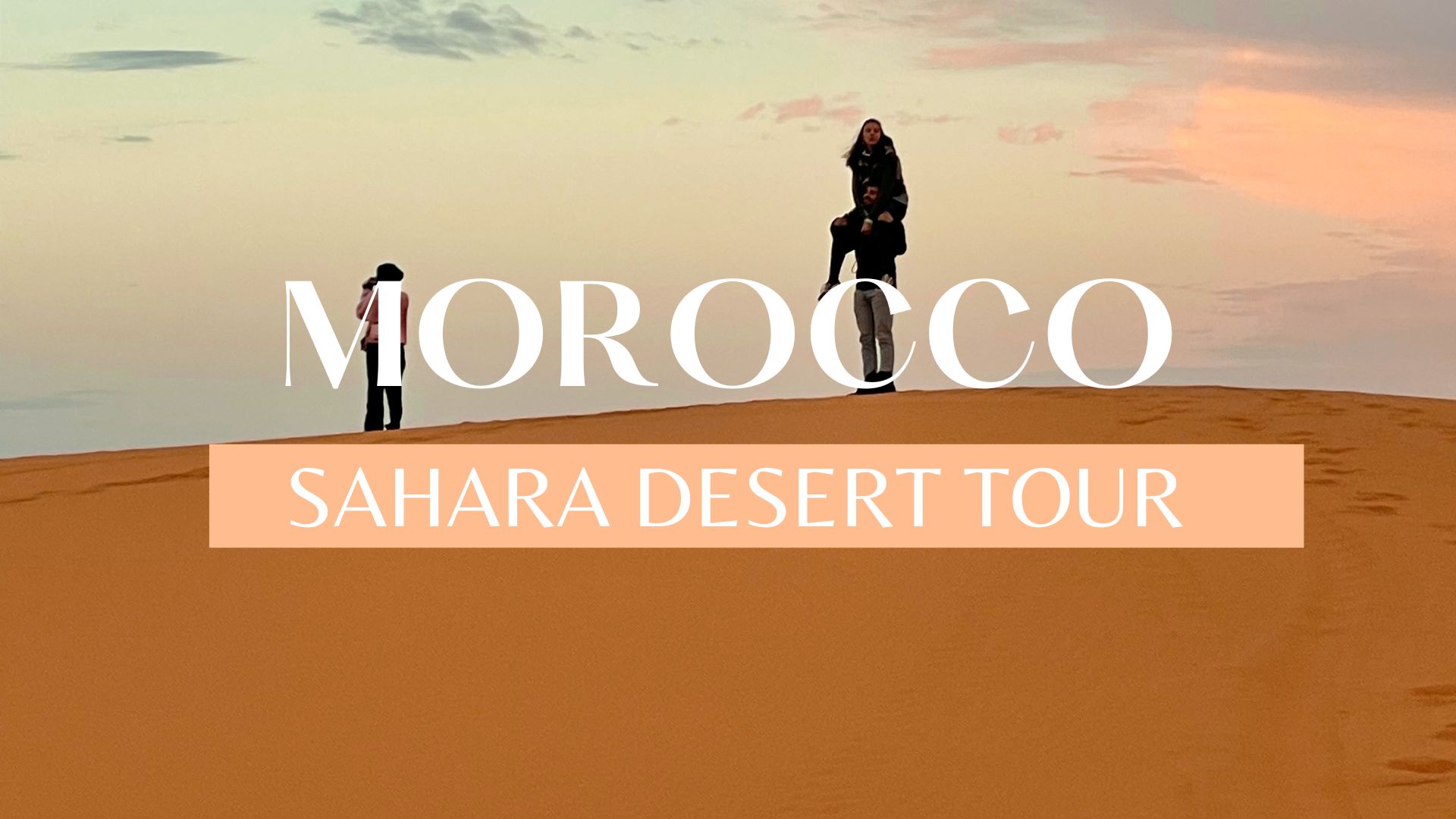
The Sahara is stunning, but it’s also one of the harshest environments on Earth. Conditions can change quickly, and the isolation is real. That doesn’t mean you shouldn’t go — it just means you need to be prepared.
Key Challenges in the Desert:
- Extreme Temperatures: Hot days, freezing nights (especially in winter)
- Dehydration & Sun Exposure
- Navigational Hazards (Getting lost is a real risk!)
- Limited Cell Signal & Emergency Access
Safety Tips:
- Always travel with a licensed local guide or reputable tour company (solo desert trekking is not recommended)
- Don’t wander from your group or campsite
- Stay hydrated and take breaks in the shade
- Wear light, breathable clothing, sunglasses, and a wide-brim hat or scarf (like a cheche or shemagh)
Camel Trekking Safety
Camel rides are a quintessential part of the Sahara experience, especially around Merzouga and Zagora. But they’re not without risk.
Tips for a Safe Ride:
- Choose a company that treats animals ethically and provides safety briefings
- Let your camel handler assist you getting on and off — camels are tall and move in stages!
- Wear long pants and closed-toe shoes to prevent chafing or slipping
- If you have back or joint issues, let the operator know in advance
Trekking & Mountain Adventures
Morocco is home to some excellent hiking and trekking routes, especially in the High Atlas Mountains, Toubkal National Park, and the Rif Mountains near Chefchaouen.
Tips for Trekking Safely:
- Go with a local mountain guide, especially if hiking in remote or high-altitude areas
- Weather can change rapidly—pack for both heat and cold
- Don’t underestimate the altitude: Mount Toubkal reaches 4,167 meters (13,671 ft)
- Inform someone of your itinerary, especially if hiking independently
- Bring snacks, water, and a small first aid kit
4×4 Tours & Desert Driving
If you’re doing a 4×4 desert tour, whether self-driving or as part of a group, know that the desert is not like the highway.
Tips:
- Book drivers with experience navigating sand dunes and remote areas
- If self-driving, rent a proper 4WD vehicle and have tire repair tools, GPS, and extra fuel
- Never drive alone deep into the dunes
- Don’t rely on Google Maps — get local advice and use offline maps
Camping in the Desert
Camping under the stars in the Sahara is unforgettable — but make sure it’s safe and respectful.
Safety Tips:
- Choose eco-friendly camps that are legally operated and have guides on-site
- Bring warm clothes, even in summer — it gets cold at night
- Use a headlamp or flashlight, and watch your step on uneven ground
- Never walk off alone at night — it’s easy to get disoriented in the dark
Emergency Preparedness
No matter what kind of adventure you’re planning, preparation is key.
Checklist:
- Let your hotel or riad know your travel route
- Carry a charged power bank for your phone
- Download offline maps (e.g., Maps.me)
- Know the local emergency numbers:
- Ambulance: 15
- Police: 19 (or 112 from mobile)
- Buy travel insurance that covers high-risk activities and evacuation
Respect the Environment & Local Culture
Adventure doesn’t mean domination—it means connection. Respect local customs, don’t litter, and treat natural places with care. Many desert communities are already impacted by climate change and tourism, so minimize your footprint by choosing eco-conscious operators and avoiding over-touristed areas when possible.

Spongebob cappuccino hehe
Women Travelers in Morocco
Morocco is a fantastic destination for solo female travelers, but it’s important to approach it with confidence, awareness, and cultural sensitivity.
Dress Modestly
While not required to wear hijab, dressing conservatively (covering shoulders, cleavage, and knees) can reduce unwanted attention and show respect.
Dealing with Street Harassment
Verbal harassment (cat-calling, whistling) can happen, especially in big cities or medinas. Strategies:
- Wear sunglasses and headphones to avoid eye contact.
- Walk confidently and avoid reacting to comments.
- If necessary, enter a nearby shop or approach a woman or family for support.
Women-Only Spaces
- Public hammams (bathhouses) have separate hours or sections for women—an amazing cultural experience and safe space.
- Women-run accommodations and tours exist in cities like Marrakech and Chefchaouen.
Trusted Tips
- Stay in well-reviewed, centrally located accommodations.
- Join group tours for desert or mountain trips.
- Use registered taxis and arrange transport through your hotel when possible.
Local Transportation & Safety Tips
Morocco has a wide range of transportation options—safe and generally affordable if you know what to expect.
Petit vs. Grand Taxis
- Petit Taxis operate within cities. Always ask the driver to turn on the meter, or agree on a price beforehand.
- Grand Taxis travel between cities or towns. They often wait until full (6 passengers). You can pay for extra seats to leave earlier or ride more comfortably.
Buses & Trains
- CTM and Supratours are the most reliable intercity bus companies—clean, safe, and tourist-friendly.
- ONCF Trains connect major cities like Casablanca, Rabat, Fes, and Tangier.
- Book tickets online in advance during high season.
- First-class tickets are affordable and offer more comfort.
Ride-Sharing & Apps
- In big cities, Careem and Heetch offer app-based ride services.
In smaller towns, ask your riad or host to help arrange trustworthy drivers.
Safety Tips
- Avoid unmarked taxis or offers from random drivers.
- Don’t leave bags unattended on buses or at stations.
- Travel during the day if possible for better visibility and navigation.
Final Tips
- Register with your embassy, especially for longer stays.
- Keep a copy of your passport and emergency contacts in your email or cloud storage.
- Learn a few basic Arabic or French phrases—it helps build trust and navigate daily interactions.
Morocco is a wonderful place to explore, and millions of visitors enjoy it safely every year. With a little preparation and awareness, you’ll be well-equipped for a memorable and secure journey. Safe travels!

Leave A Comment